

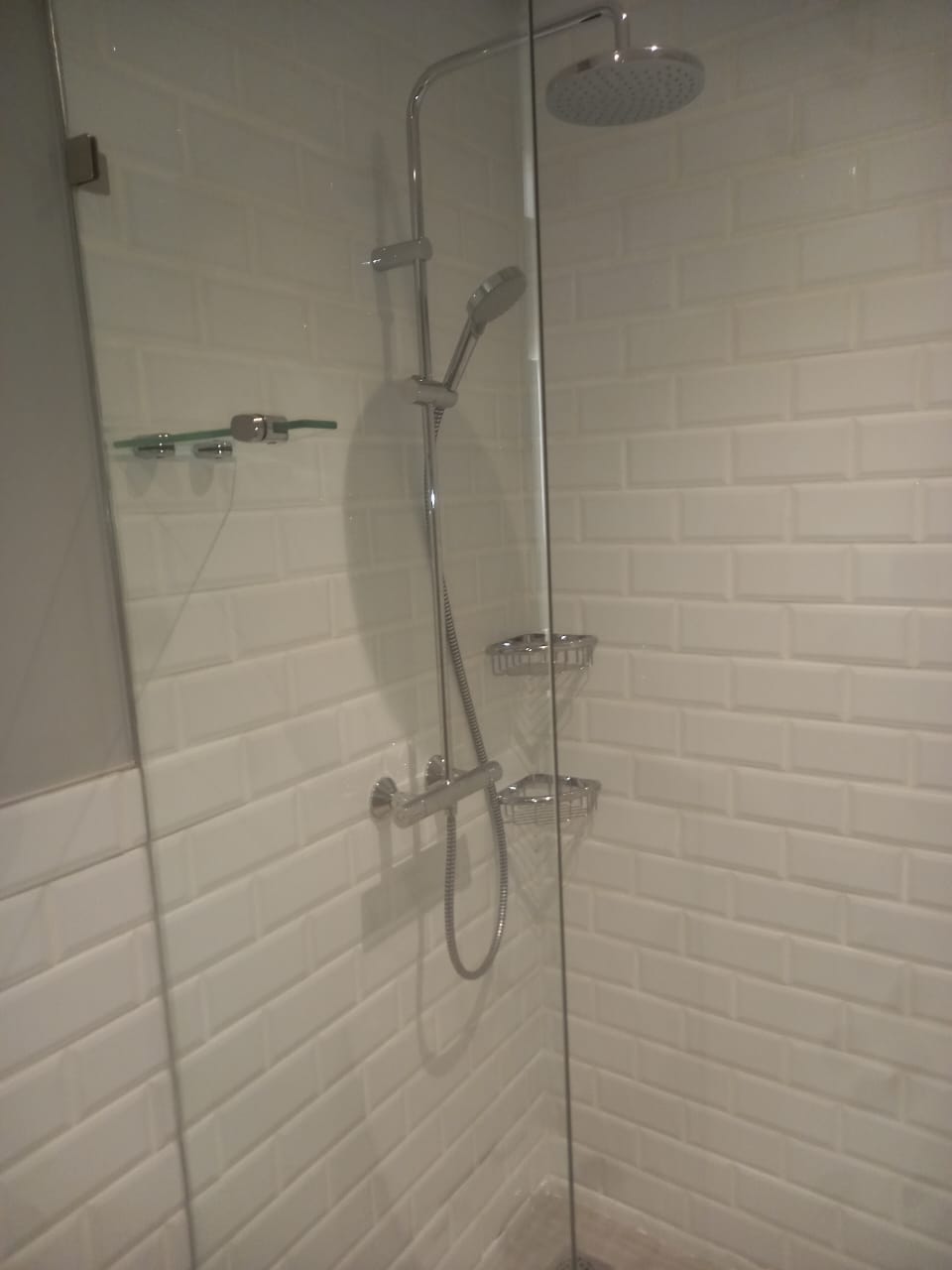
Start by working out if it’s really low pressure
“Low water pressure” gets used for a few different problems that aren’t actually the same thing. A shower that dribbles could be low pressure, low flow rate, or a blocked shower head, and the fix is different for each.
Before calling anyone, check whether the problem is at one tap or right across the house. That single check rules out half the possible causes immediately, and it takes about two minutes at the kitchen sink and the nearest bathroom.
One tap or the whole house?
- Just one tap or shower: usually a blocked aerator, scaled-up shower head, or a partially closed isolating valve at that fixture.
- Hot water only: often points to the geyser itself, either a partially closed valve on the hot feed or sediment restricting flow inside the tank.
- Whole house, all fixtures: more likely a main supply issue, a partially closed stopcock, or a problem with the municipal connection itself.
- Started suddenly after work nearby: could be municipal maintenance, a burst on your line, or debris knocked loose into the pipes.
The usual suspects inside the house
- Scale build-up inside old pipes and shower heads, worse in hard water suburbs, which narrows the internal diameter over years.
- A partially closed isolating valve, sometimes left that way after a previous repair and never fully reopened.
- An ageing pressure-reducing valve on the mains supply, which can fail and restrict flow rather than just regulate it.
- Old, narrow-bore galvanised pipework in older homes, which was never sized for modern shower heads and multiple bathrooms running at once.
- A leak elsewhere in the system quietly drawing pressure away from the fixture you’re testing.
A quick test you can do yourself
Unscrew the aerator or shower head and run the tap without it. If pressure improves noticeably, the fitting itself is scaled up or blocked, not the supply. If it’s still weak, the cause is further back in the system.
When it’s the municipal supply, not your house
Cape Town’s municipal water pressure varies by area and by time of day, and it does dip during peak demand or after nearby infrastructure work. A few signs point this way rather than a fault inside your walls:
- Neighbours on the same street report the same problem at the same time
- Pressure is fine early morning or late at night, but drops during peak usage hours
- It coincided with visible municipal works or a notice about maintenance in the area
None of this is something a plumber can fix at the source, but a pressure booster pump can help if consistently low municipal pressure is the actual problem rather than an internal fault.
What diagnosing and fixing low pressure roughly costs
These are broad indicative ranges for 2026, since the actual cost depends entirely on what’s causing it:
- Cleaning or replacing a scaled aerator or shower head: roughly R150–R450 per fitting
- Pressure-reducing valve replacement: roughly R1,200–R2,500
- Diagnosing a hidden leak affecting pressure: roughly R900–R1,800 for the inspection alone
- Booster pump supply and installation for genuinely low municipal pressure: often R6,000–R14,000 depending on the pump and plumbing needed
Get an actual assessment before spending on a booster pump, since it’s a real investment and only solves the problem if municipal supply is genuinely the cause. Fitting one to compensate for a fixable internal blockage is money spent on the wrong problem. Ask us to diagnose it properly first.
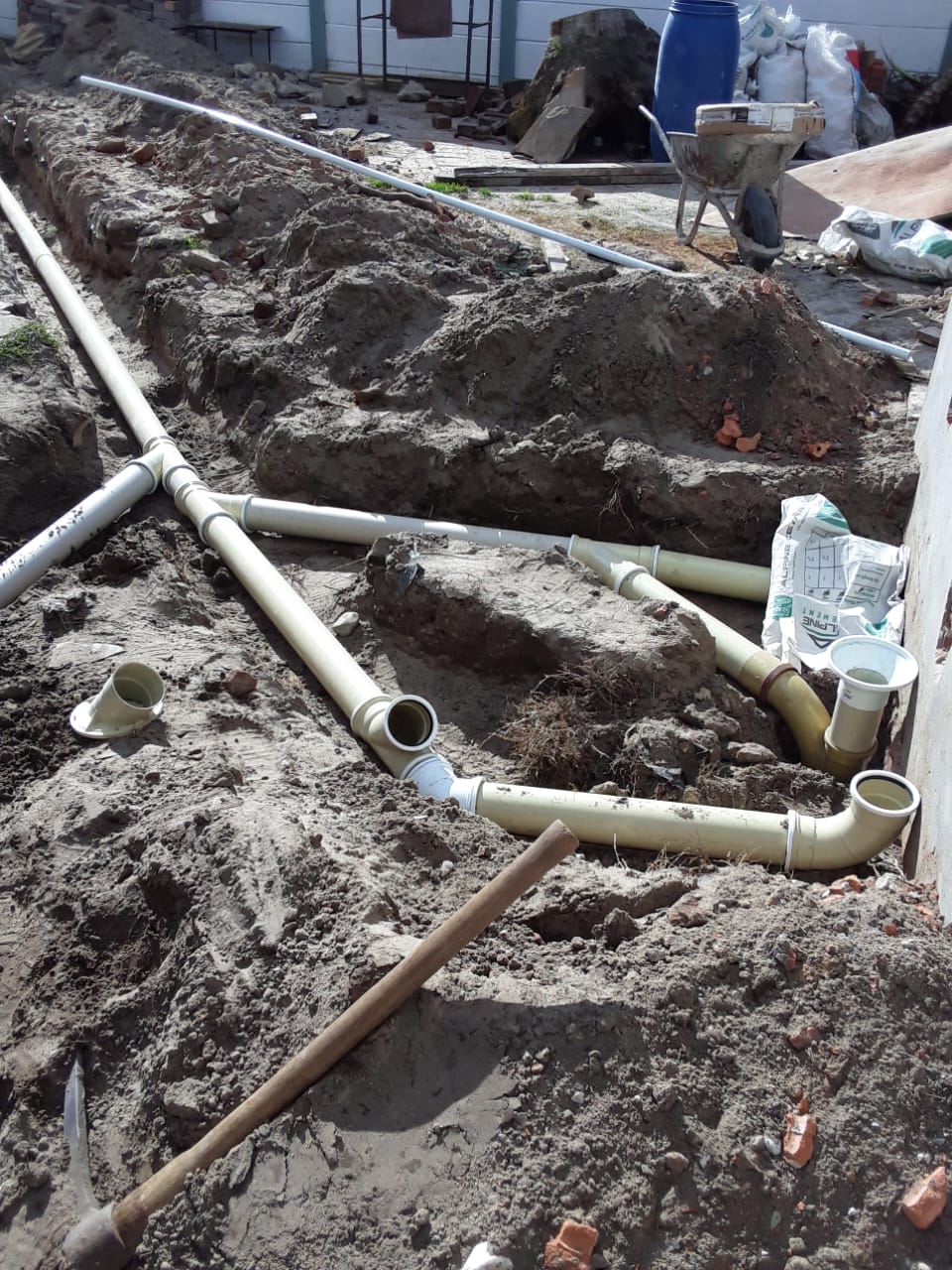
Checking your own supply line before assuming the worst
If the drop happened gradually rather than overnight, it’s worth having the supply line from the meter to the house checked. A slow, partial blockage in an ageing pipe underground can reduce pressure for months before anyone thinks to dig it up.
This is also where an unnoticed leak often hides. Water escaping underground before it even reaches your taps won’t show up as damp anywhere visible, but it will show up as weaker pressure and a higher water bill.
Older Southern Suburbs homes and narrow pipework
Homes built decades ago were plumbed for a single bathroom running at a time, not two showers and a dishwasher running together. If your low pressure only shows up when multiple fixtures run at once, narrow original pipework is a likely culprit, and re-piping sections to a wider bore can make a real difference.
This overlaps with a lot of what comes up in general renovation work – see our guide on bathroom renovation plumbing costs if you’re considering upgrading pipework alongside a bathroom refresh.
Frequently asked questions
Why is my water pressure only low in the shower?
Usually a scaled or partially blocked shower head, or an isolating valve that isn’t fully open. Both are quick and cheap to check.
Can hard water actually cause low pressure?
Yes, over time. Scale builds up inside pipes and fittings, gradually narrowing the space water flows through, which is common in parts of Cape Town with harder water.
Is a pressure booster pump worth installing?
Only if the cause is genuinely low incoming pressure rather than an internal blockage or leak. Get it diagnosed properly first, since a booster pump won’t fix a scaled shower head.
If pressure across your home has been dropping and you can’t work out why, get in touch and we’ll trace it back to the actual cause. Our plumbing services cover the full diagnostic process, not just the guesswork.