

Why bathroom renovation plumbing is its own category
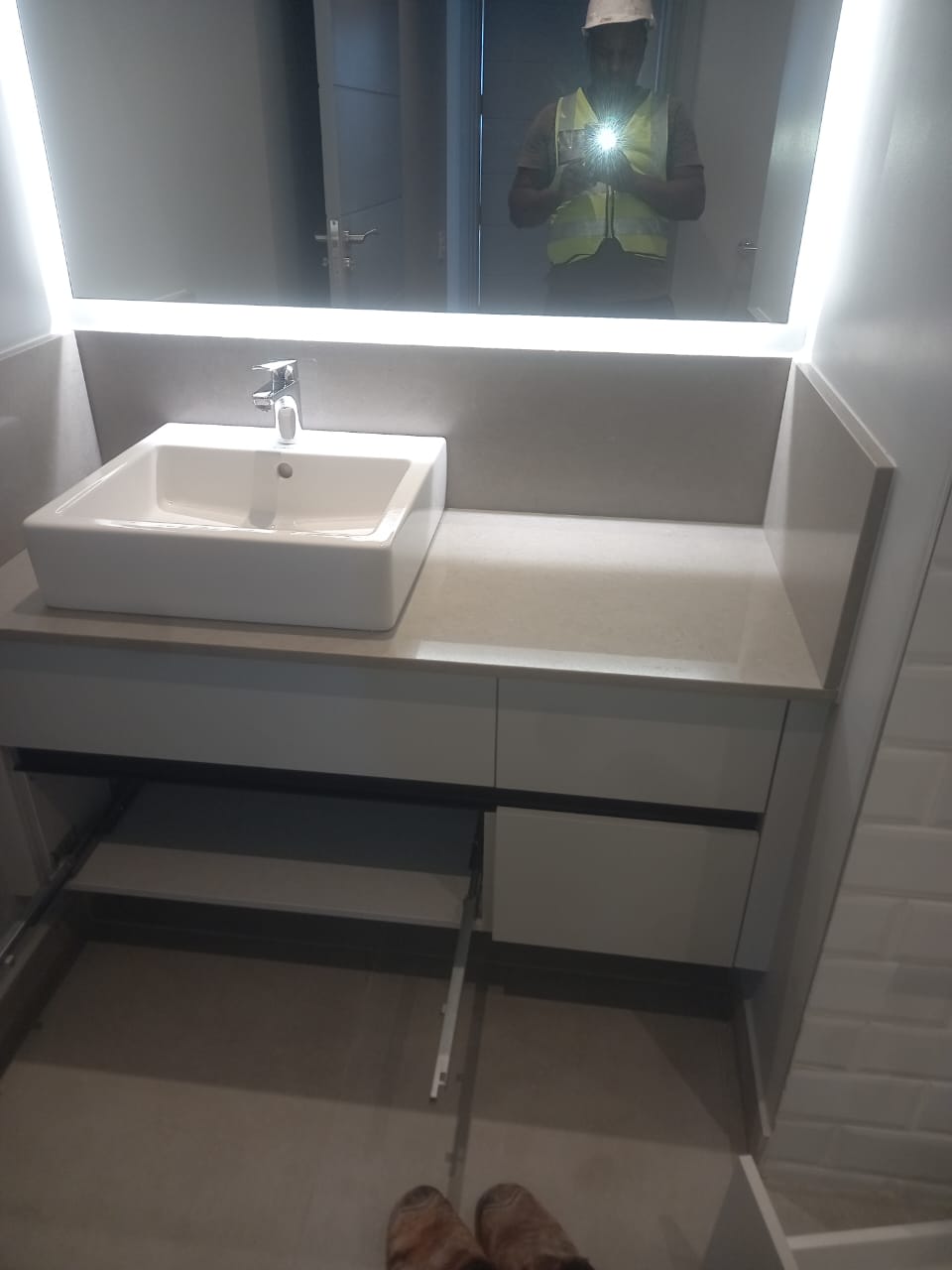
Tiling, cabinetry and paint get most of the attention in a bathroom renovation, but the plumbing underneath decides whether the finished room actually works. Move a basin six inches to fit a new vanity, and you’ve moved a supply line and a waste pipe too.
Understanding what’s actually involved helps you budget properly and avoid nasty surprises once the demolition starts, especially in an older Cape Town home where the existing pipework wasn’t necessarily installed with a renovation in mind.
What bathroom renovation plumbing actually involves
- Relocating or extending supply pipes for a moved basin, bath or shower
- New waste and drain connections, correctly sloped so water actually drains
- Fitting a new shower valve, often mixed hot and cold with a separate temperature control
- Toilet relocation or upgrade, including waste pipe rerouting if it’s moving even slightly
- Isolating valves fitted to every fixture, so future repairs don’t need the whole house’s water shut off
- Waterproofing sign-off on wet areas before tiling starts, since a leak under tiles is expensive to fix later
The renovation sequence, roughly
Plumbing on a renovation happens in two separate visits, not one, which surprises people who expect it done in a single day:
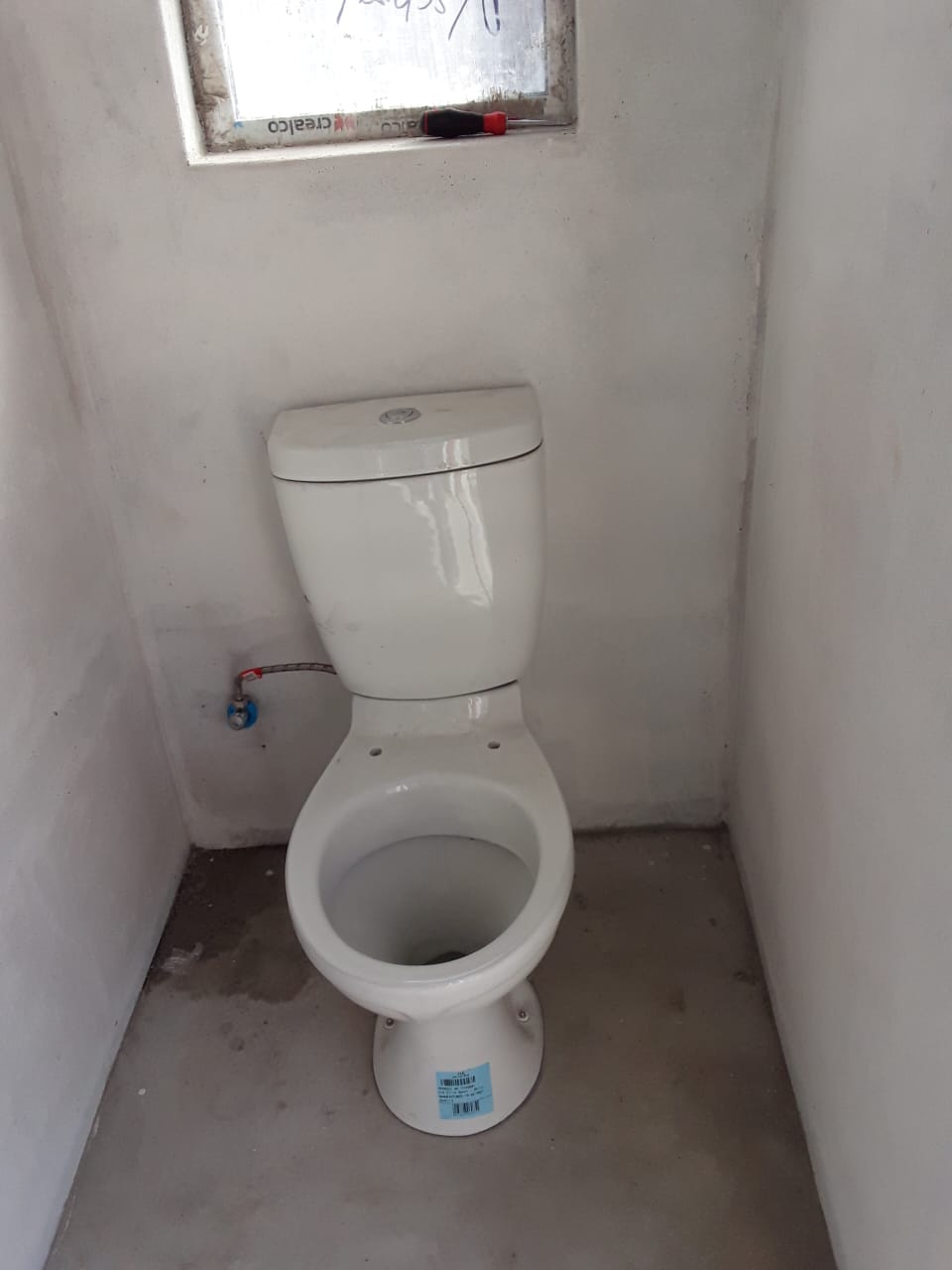
- Demolition and rough-in: old fixtures removed, new supply and waste pipework installed and pressure tested before anything is closed up.
- Waterproofing and tiling by the builder or tiler, over the rough-in plumbing.
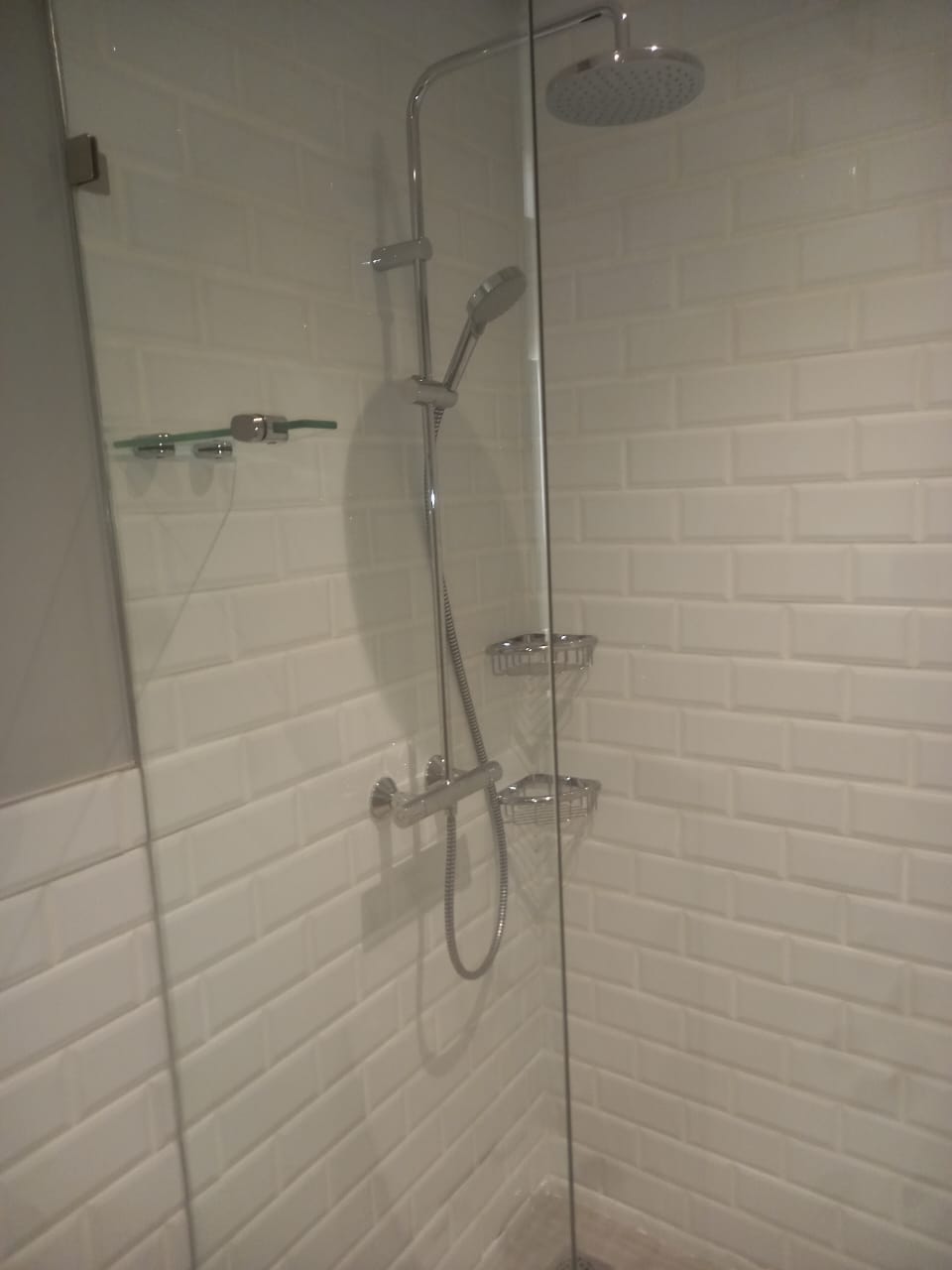
- Final fix: taps, mixers, the toilet, basin and shower fittings installed once tiling is complete.
- Testing and snagging: every fitting run and checked for leaks before the room is signed off as finished.
Skipping the pressure test between rough-in and tiling is the single most common shortcut that causes expensive problems later, since a slow leak behind new tiles can go unnoticed for months.
A tip that saves money later
If you’re renovating anyway, it’s the cheapest time to upgrade old isolating valves and swap ageing pipework you can see. Doing it while walls are already open costs far less than a separate call-out once everything’s tiled and finished.
What bathroom renovation plumbing roughly costs
Costs vary enormously depending on how much is moving and what finishes you choose. Treat these as broad indicative 2026 ranges, not a quote for your bathroom:
- Like-for-like fixture replacement (same positions, new toilet, basin, taps): roughly R6,000–R12,000
- Moving a basin or toilet to a new position: roughly R4,000–R9,000 extra for the pipework alone
- New shower installation with a mixer valve, from scratch: roughly R5,000–R11,000
- Full bathroom re-plumb (all fixtures relocated, new pipe runs): often R18,000–R35,000+ depending on size and access
The only way to know what your specific renovation will cost is to have someone walk through the actual layout with you. Request a quote before you commit to a final design, since moving fixtures late in the planning is far more expensive than deciding upfront.
Questions to settle before demolition starts
A few decisions made upfront prevent costly changes mid-project:
- Are any fixtures actually moving, or staying in their current positions?
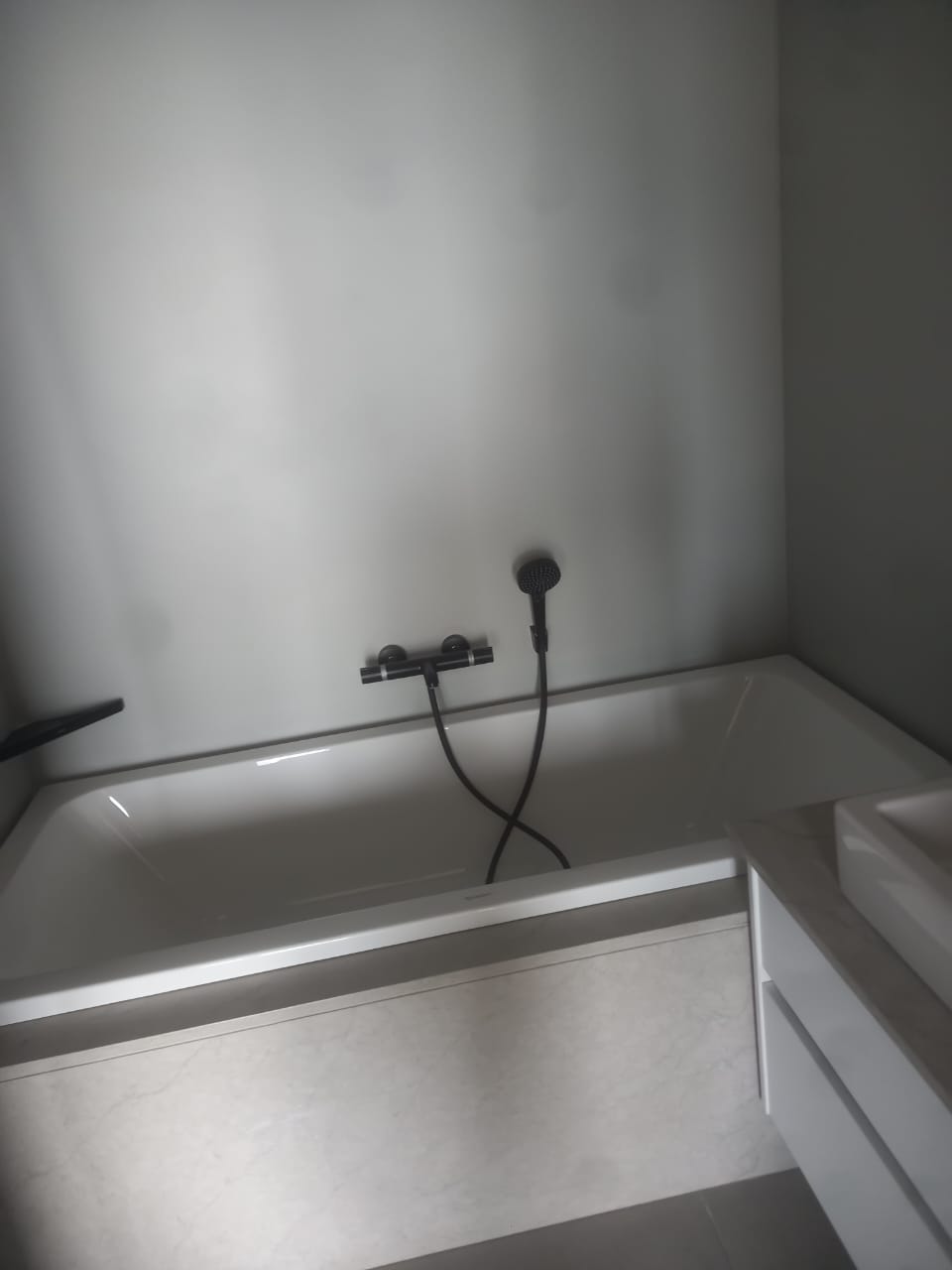
- Is the hot water supply (geyser capacity and pressure) enough for a new rain shower head or double-ended bath?
- Who’s responsible for waterproofing sign-off before tiling starts – the plumber, the tiler, or the builder?
- Are isolating valves being fitted to every fixture, or only some?
If your renovation includes a full re-plumb, it’s worth reading up on which parts of the job need a qualified plumber versus general renovation trades, since the two often get confused on a busy site.
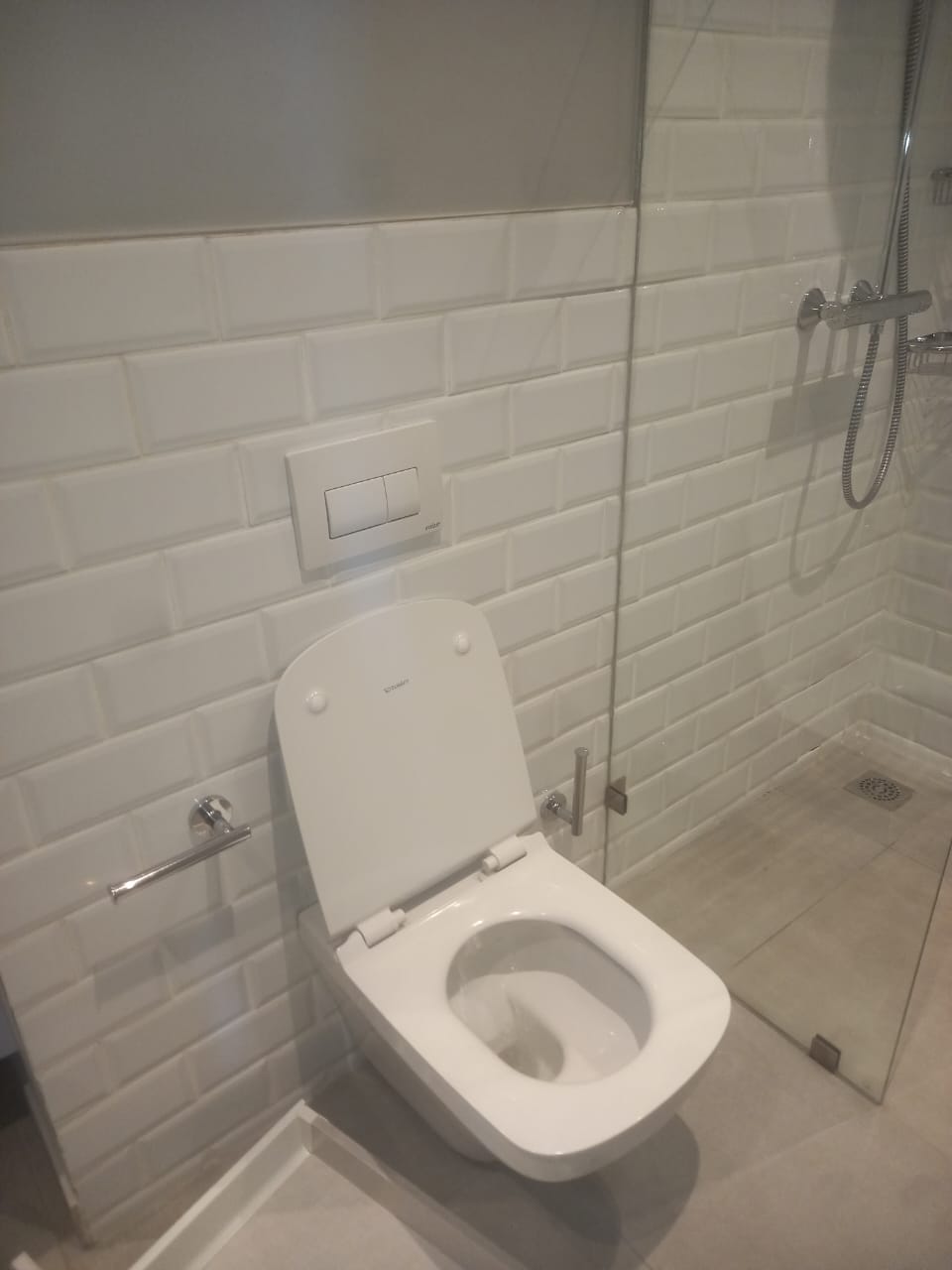
Concealed cisterns and other upgrades worth considering
Wall-hung toilets with a concealed cistern have become a popular choice in Cape Town renovations, mostly for how much easier they make cleaning and how they open up a small bathroom visually. The cistern sits inside the wall, which means the plumbing rough-in needs to happen before the wall is closed up, not as an afterthought.
Other upgrades worth weighing up while the walls are open include a second shower head, a bidet spray for the toilet, or running a dedicated line for a future heated towel rail. None of these are essential, but adding them later almost always costs more than including them in the original rough-in.
Getting the sequence right with your builder
The most common renovation delay we see is a tiler starting before the plumbing rough-in is signed off, or a plumber being called back to move a pipe after tiles are already down. Confirm the sequence with everyone on site before work starts, not once tools are already out.
Our plumbing services team works directly with builders and tilers on renovation timelines, so the trades aren’t tripping over each other.
Frequently asked questions
How long does bathroom renovation plumbing take?
The rough-in stage is usually one to two days for a standard bathroom. Final fix, once tiling is done, is typically another half day to a full day.
Can I keep my fixtures in the same positions to save money?
Yes. Like-for-like replacement without moving supply or waste points is significantly cheaper than relocating fixtures.
Do I need a compliance certificate after a bathroom renovation?
If the work involved new pipework or a geyser, yes. It’s worth confirming this with your plumber before the job starts, especially if you plan to sell the property later.
Planning a bathroom renovation? Get in touch and we’ll help you plan the plumbing side properly from the start.