

Why this question comes up so often
A handyman is often cheaper and quicker to book, so it makes sense that homeowners default to calling one first. The trouble starts when a job that looks small turns out to involve water pressure, drainage, or electrics, and now two trades need to get involved instead of one.
Here’s a straightforward way to work out which call to make, based on what we see go wrong when the wrong person takes on a job. It usually comes down to risk rather than difficulty: a job can look simple and still carry a real chance of expensive damage if it’s outside someone’s actual training.
Jobs a competent handyman can usually handle
- Replacing a tap washer on an old-style tap that’s dripping
- Re-sealing silicone around a bath or basin that’s gone mouldy or come loose
- Fitting a new toilet seat or basic bathroom accessories
- Unblocking a shallow sink or bath drain with a plunger
- Tightening a loose towel rail or cabinet handle near a basin
These are low-risk jobs. If they go wrong, the worst outcome is usually a small leak that’s easy to spot and fix.
Jobs that need a plumber, no exceptions
- Geyser installation or replacement. This involves pressure-rated fittings, safety valves and electrical connections that need to meet current regulations.
- Any work behind a wall or under a slab. Getting a pipe run wrong here means breaking through finishes a second time to fix it.
- New bathroom or kitchen plumbing. Moving a basin, toilet or sink means new supply and waste connections that need to be sized and sloped correctly.
- Sewer line work. Blockages, root intrusion, or a collapsed section need proper diagnosis, often with a CCTV camera, before any digging starts.
- Anything requiring a compliance certificate. Municipal approval and insurance claims for certain plumbing work require a certificate of compliance from a qualified plumber.
Why the compliance certificate matters
If you sell your home, or claim on insurance after a geyser burst, an inspector or assessor can ask for proof the work was done to standard. A handyman generally can’t issue that certificate. Without it, a claim can be reduced or refused.
Questions worth asking before you book anyone
Whichever tradesperson you’re considering, a few quick questions save a lot of grief later:
- Are you a registered, qualified plumber, or a general handyman?
- Will this job need a compliance certificate, and can you issue one?
- Does the work involve anything behind a wall, under a floor, or in the roof space?
- What happens if something leaks after you’ve finished – is there a workmanship guarantee?
- Roughly what should this cost, and does that include parts?
If the answers feel vague, especially around compliance and guarantees, that’s usually a sign to call a plumber rather than take the risk.
A grey area: bathroom renovations
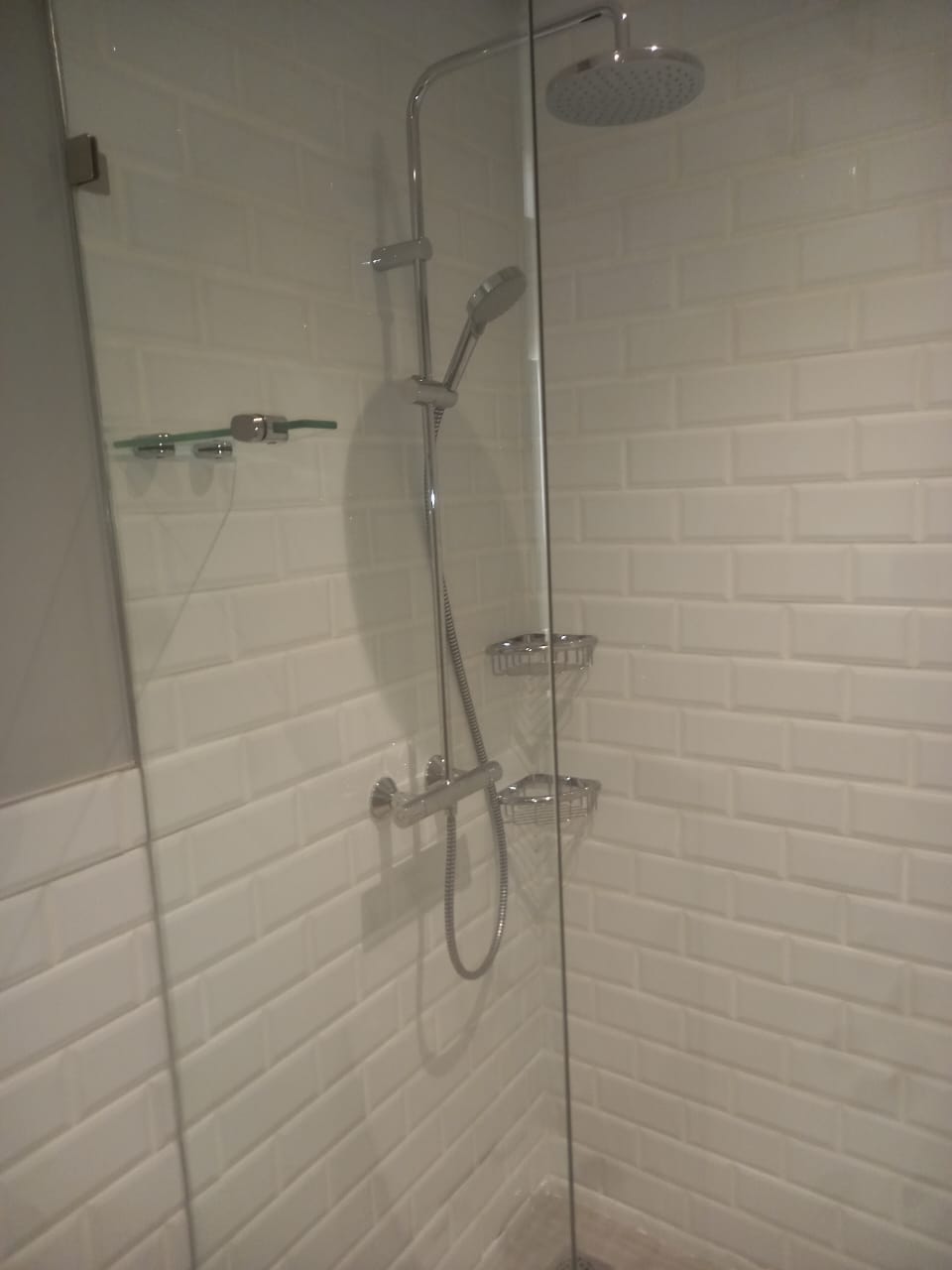
Renovations are where the line blurs most. A handyman might happily tile, fit cabinetry and hang a mirror, while the actual pipework, waste connections and shower valve installation still need a plumber. On most renovation jobs, both trades end up on site at different stages, and getting the sequence right matters.
Bring the plumber in before tiling starts, not after. Moving a shower valve or drain point once tiles are down means breaking finishes that were just paid for, which is one of the more common and avoidable costs we see on renovation jobs.
The cost difference, honestly
A handyman’s hourly rate is often lower than a qualified plumber’s, which is exactly why the temptation exists to use one for plumbing work. But the maths only works out if the job genuinely stays within their skill level.
- Simple handyman jobs (tap washer, resealing, minor fittings): often R300–R700 for a short call-out
- Standard plumber call-out for diagnosis and a straightforward repair: roughly R600–R1,200
- The real cost of getting it wrong: redone tiling, replastering, or a second call-out to undo bad work, which can run into thousands
These are broad indicative figures for 2026, not a quote. Ask us directly if you’re not sure which category your job falls into – we’d rather tell you it’s a handyman job than take on something small.
When in doubt, ask first
If you’re weighing up a job right now and genuinely unsure, describe it to us before booking anyone. It costs nothing to ask, and it’s a lot cheaper than paying twice. This is especially true for anything connected to a geyser, since geyser work sits firmly in the “plumber only” category no matter how simple the symptom looks.
For anything that falls under the plumber category, our plumbing services cover the full range from a dripping tap to a full bathroom re-plumb.
Frequently asked questions
Can a handyman legally do plumbing work in South Africa?
Minor, low-risk jobs are generally fine, but anything involving new connections, geysers, or work needing a compliance certificate should go to a registered plumber.
What happens if a handyman’s plumbing work fails?
You’ll usually need to call a plumber anyway to fix it properly, and any related damage may not be covered by insurance if the original work wasn’t compliant.
How do I check if someone is a qualified plumber?
Ask for their registration details and don’t be shy about it. A legitimate plumber won’t mind the question, and it protects you if anything goes wrong later.
Not sure which one your job needs? Send us the details and we’ll give you a straight answer.