

The plumbing problems we see most in Cape Town houses
After enough years on the tools, the same handful of problems keep coming up, street after street, suburb after suburb. Some are down to age, some to the local water and weather, and a few are just normal wear that nobody thinks about until it fails.
This is a quick tour of what we get called out for most, with links through to the full detail on each one, so you can jump straight to whichever problem matches what’s happening at your place.
Geyser trouble tops the list
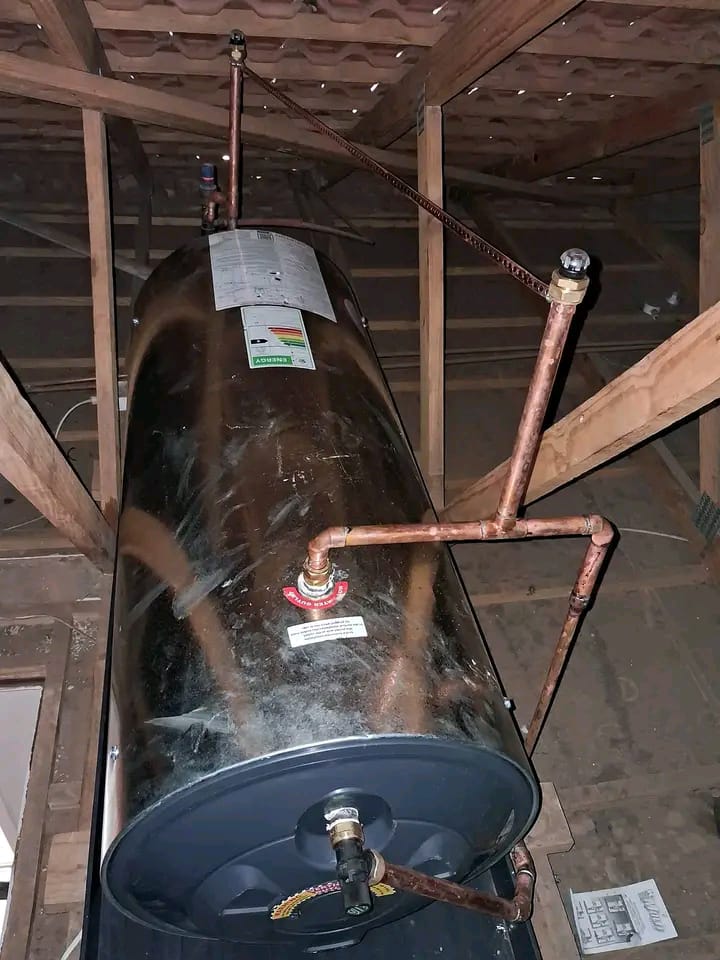
No hot water, lukewarm water, or a geyser dripping from the safety valve are probably our single most common call-out. Cape Town’s hard water in some suburbs and years of load shedding cycling elements on and off both shorten a geyser’s working life.
We’ve covered this one in full detail, including repair versus replacement and indicative costs, in our geyser problems guide.
Common problems by area of the house
Grouping the usual complaints by where they happen makes it easier to spot what you’re likely dealing with:
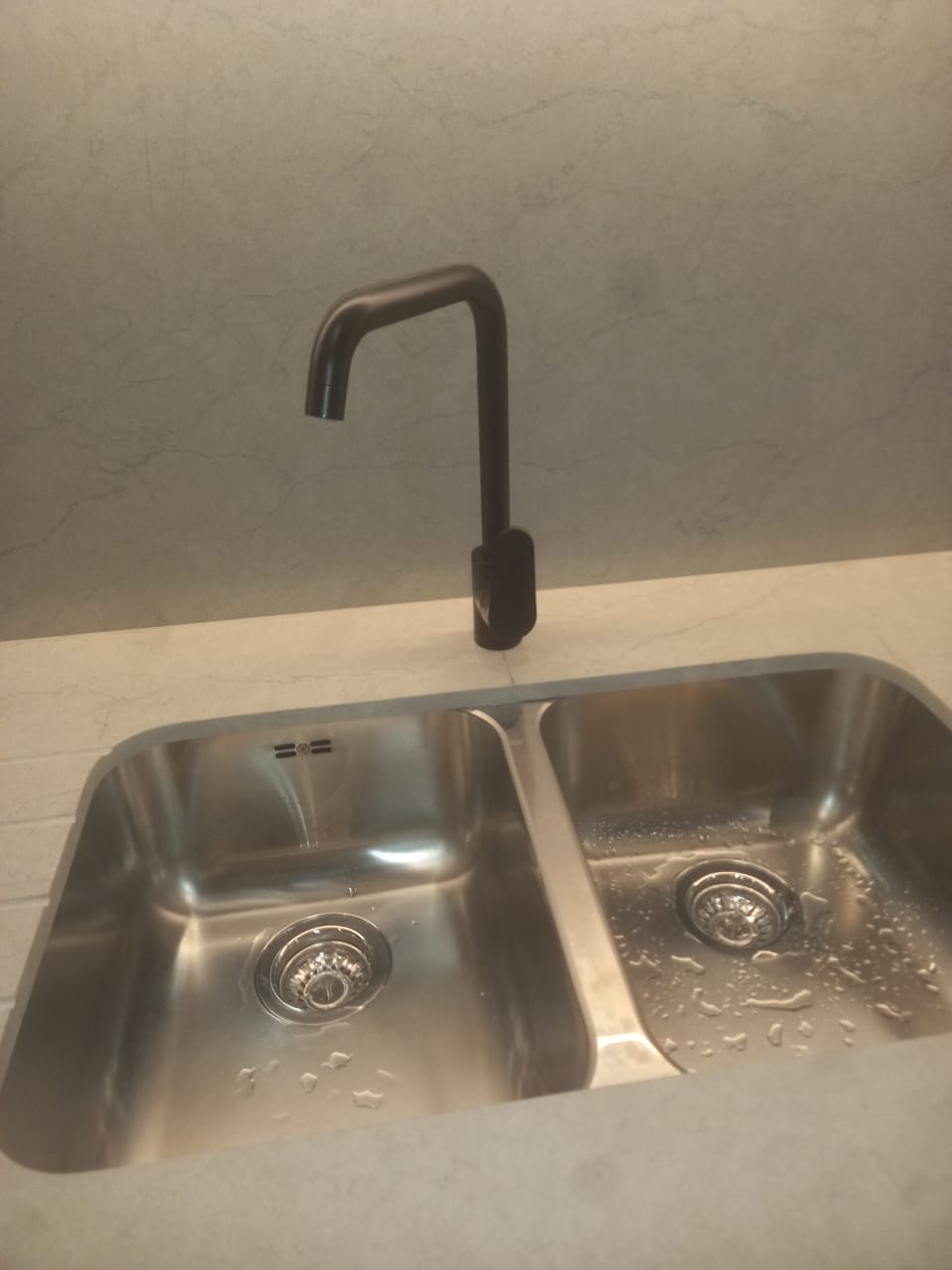
- Kitchen: slow-draining sinks from fat build-up, dripping mixer taps, and dishwasher connections that weep at the joint.
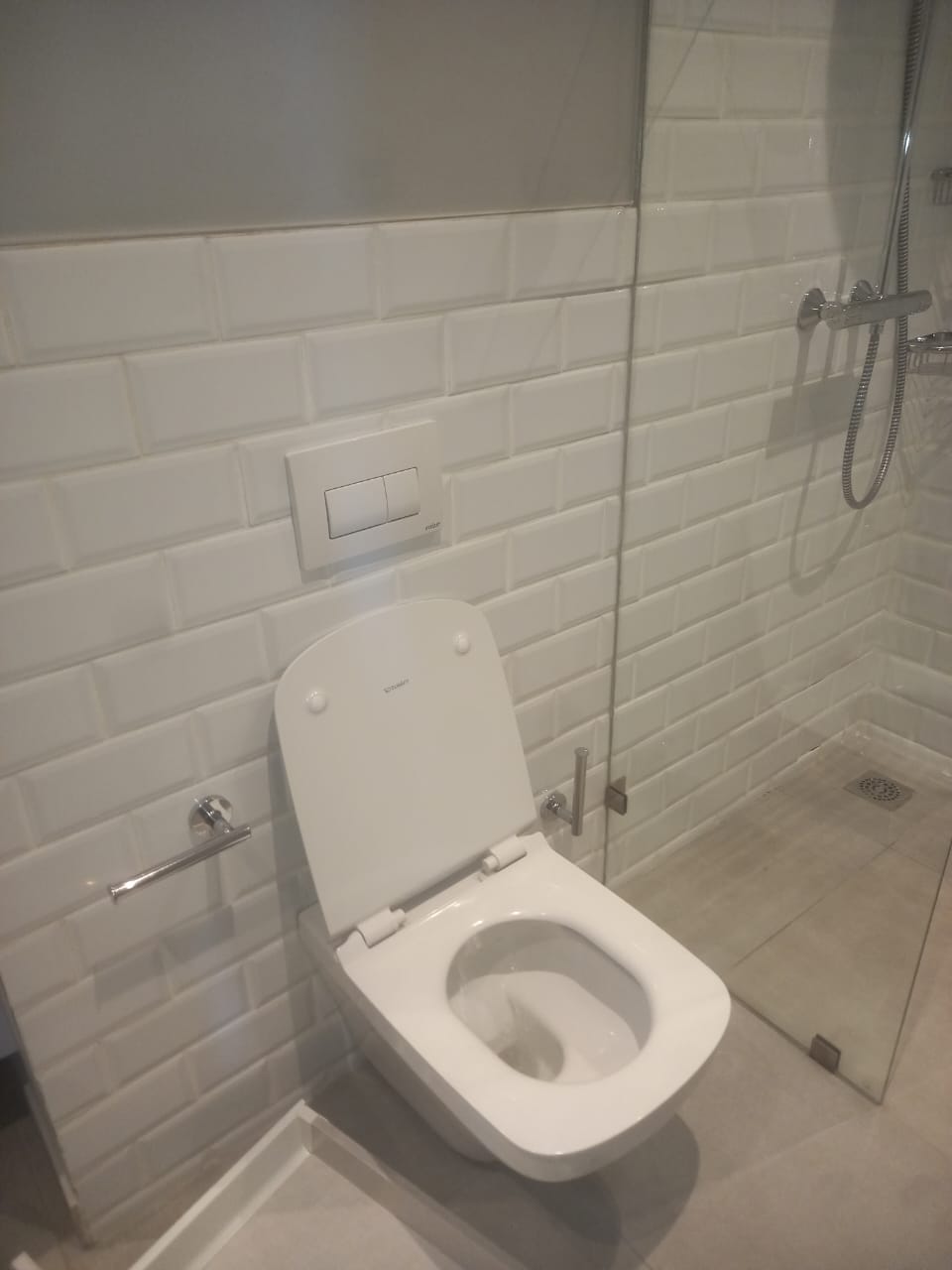
- Bathroom: toilets that run continuously, showers with weak pressure, and silicone sealant failing around baths and basins.
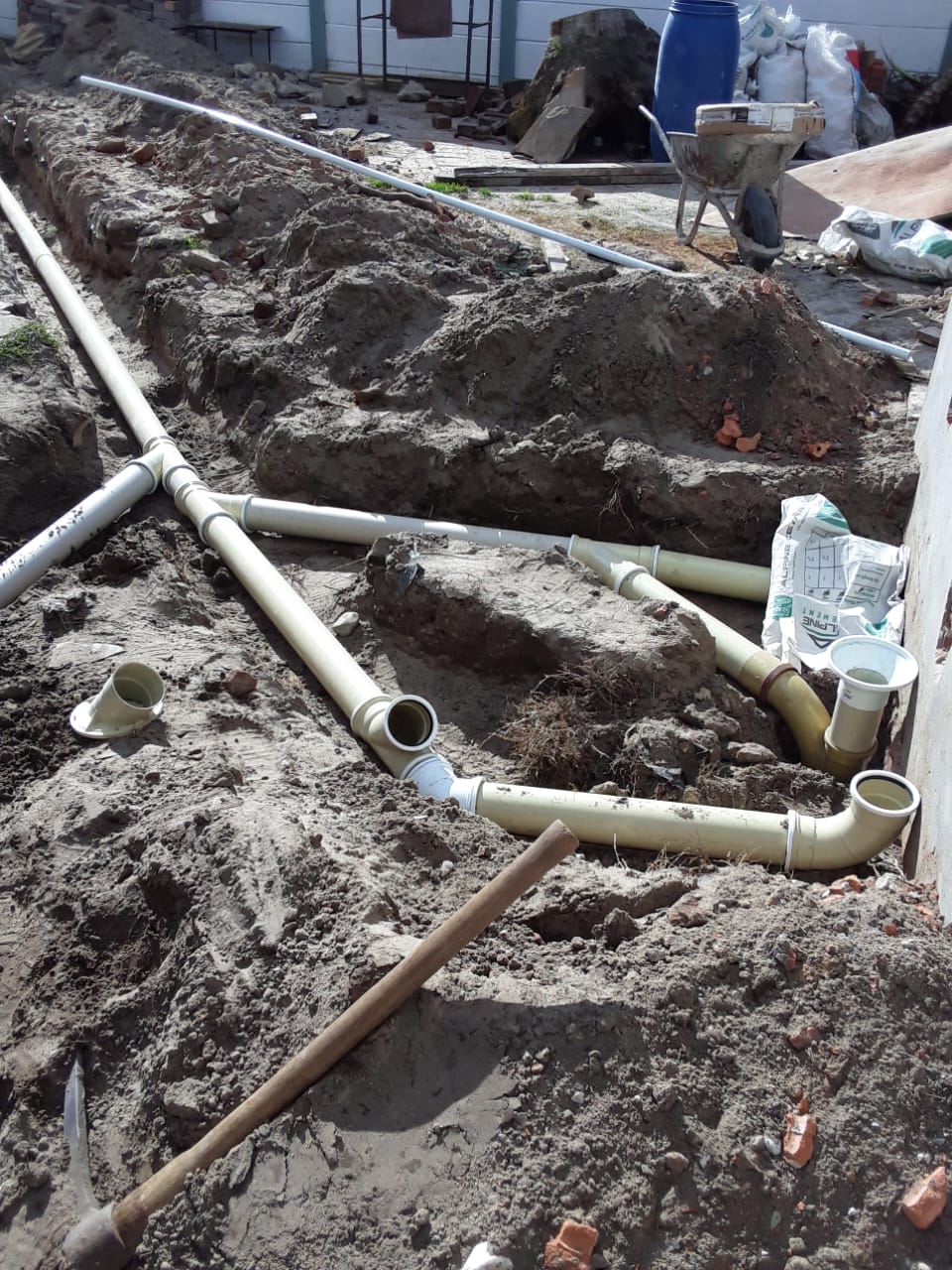
- Outside: blocked gullies after storms, cracked exposed pipework from UV and age, and irrigation lines that leak underground for months before anyone notices.
- Roof space: geyser faults, and occasionally a slow pipe leak that only shows up as a ceiling stain much later.
Burst pipes and blocked drains: the two emergencies
These two account for most of our genuine after-hours call-outs. A burst pipe needs the mains water shut off immediately, and a blocked drain backing up into the house needs quick action before it spreads.
- Know where your mains stopcock is before you need it in a hurry.
- Don’t pour repeated rounds of chemical drain cleaner down a stubborn blockage – it can damage older pipes.
- Keep gully covers outside clear of leaves before winter storms hit.
- Photograph any water damage before you start cleaning up, for insurance.
We’ve written full step-by-step guides on both: what to do in the first ten minutes of a burst pipe and what actually clears a blocked drain.
Why older Southern Suburbs homes see more of this
Homes built before the 1990s often still have some original galvanised or copper pipework, plus toilet cisterns and valves that predate current water-saving standards. None of it is necessarily urgent, but it’s worth knowing your home’s plumbing age if you’re planning any renovation.
Toilets: the quiet money leak
A running toilet is easy to ignore because it’s not dramatic, but a worn valve or flapper can waste a genuinely large amount of water over a billing cycle. Common signs worth checking for:
- Water trickling into the bowl between flushes, audible if the house is quiet
- The cistern refilling on its own without anyone flushing
- A flush that’s noticeably weaker or stronger than it used to be
- Water pooling at the base of the toilet, which usually means a failed seal, not just a valve
What most repairs roughly cost
Every job is different, but these broad 2026 ranges give a sense of scale before you call for a proper quote:
- Dripping tap or toilet valve replacement: roughly R450–R950
- Blocked drain clearing: roughly R500–R2,800 depending on method and access
- Burst pipe repair: roughly R850–R9,000+ depending on where it is and what needs opening up
- Geyser element or full replacement: roughly R900–R20,000 depending on the fault
These ranges move a lot depending on access and finishes, so treat them as a starting point. Get in touch for an actual quote once we know what’s involved.
Low water pressure and municipal supply issues
Some low-pressure complaints are a fault inside the house, like a partially closed valve or scale build-up in old pipes. Others are simply the municipal supply itself, which can dip during peak demand times or after nearby maintenance work.
It’s worth checking pressure at more than one tap before assuming it’s a house problem. If every tap in the street struggles at the same time of day, that’s a supply issue rather than something a plumber can fix inside your walls.
When it’s worth a full plumbing check-up
If you’re fixing the same type of problem more than once a year, or you’re about to renovate, it’s often more sensible to have the whole system assessed rather than reacting fixture by fixture. Our plumbing services team can walk through the house and flag what’s likely to fail next, before it does.
Frequently asked questions
What’s the most common plumbing problem in Cape Town homes?
Geyser issues, closely followed by blocked drains and dripping taps. Age and local water conditions both play a part.
How often should plumbing be checked in an older house?
There’s no fixed rule, but a general check every couple of years catches small issues – a slow drip, a slightly worn valve – before they become expensive repairs.
Is it worth fixing small leaks myself?
A dripping tap washer is usually manageable for a confident homeowner. Anything involving the geyser, sewer line or pipework behind walls is better left to a plumber.
If several of these sound familiar, request a quote and we’ll help you work out what to tackle first.