

The first ten minutes after a burst pipe
Water spreading across a floor has a way of making everyone panic at once. The good news is that the first few actions matter far more than anything a plumber does later, and none of them require special tools.
- Shut the main water off first. The mains stopcock is usually near the water meter at the boundary of the property, or under the kitchen sink in older homes. Turn it clockwise until it stops.
- Kill the power to any affected area if water is anywhere near plug points, geysers, or the distribution board. Rather trip a breaker than risk a shock.
- Open the lowest taps in the house to drain the remaining pressure out of the pipes, which slows the leak while you wait for help.
- Move anything valuable off the floor – rugs, electronics, boxes – before the water spreads further.
- Photograph the damage before you start mopping up, for insurance purposes.
- Call a plumber. Describe where the water is coming from and how fast, so they can bring the right fittings the first time.
Where the mains stopcock usually hides
Half the panic in a burst pipe emergency comes from not knowing where to shut the water off. It’s worth finding this before you ever need it, not during a flood.
- At the boundary wall or pavement, in a small covered box near the water meter
- Under the kitchen sink, on older properties built before separate meter boxes were standard
- In the garage or a utility cupboard, on some newer builds
- Near the geyser itself, as a secondary isolating valve, if the burst is geyser-related
Quick tip
Tag your mains stopcock with a bright cable tie or paint mark now. In a real emergency, at night, with water everywhere, you don’t want to be hunting for it.
Why Cape Town sees so many burst pipes
A few local factors show up again and again on emergency call-outs:
- Winter storms and sudden cold snaps that stress old, brittle pipe joints
- Coastal corrosion in suburbs close to the sea, where salt air eats into older metal pipework over decades
- Ground movement after heavy rain, which can crack underground pipes that were fine for years
- Ageing galvanised pipework in older Southern Suburbs homes, now well past its intended lifespan
None of these are things you can prevent from your side, but knowing your home’s pipe age and material helps you judge how nervous to be about the next storm.
Hot water pipe bursts tend to announce themselves faster, since a jet of hot water on skirting or flooring is hard to miss. Cold water bursts, especially underground ones, can run quietly for days before anyone notices a damp patch on the lawn or a spike in the water bill. If your bill has jumped for no obvious reason, that’s worth investigating before it becomes a visible burst.
What a burst pipe repair typically costs
Every burst is different, so these are broad indicative ranges for 2026, not a quote for your specific job:
- Simple exposed pipe repair (accessible, single joint): roughly R850–R1,800
- Burst pipe under a slab or behind a wall, needing to break through and re-tile or replaster: often R3,500–R9,000+ depending on finishes
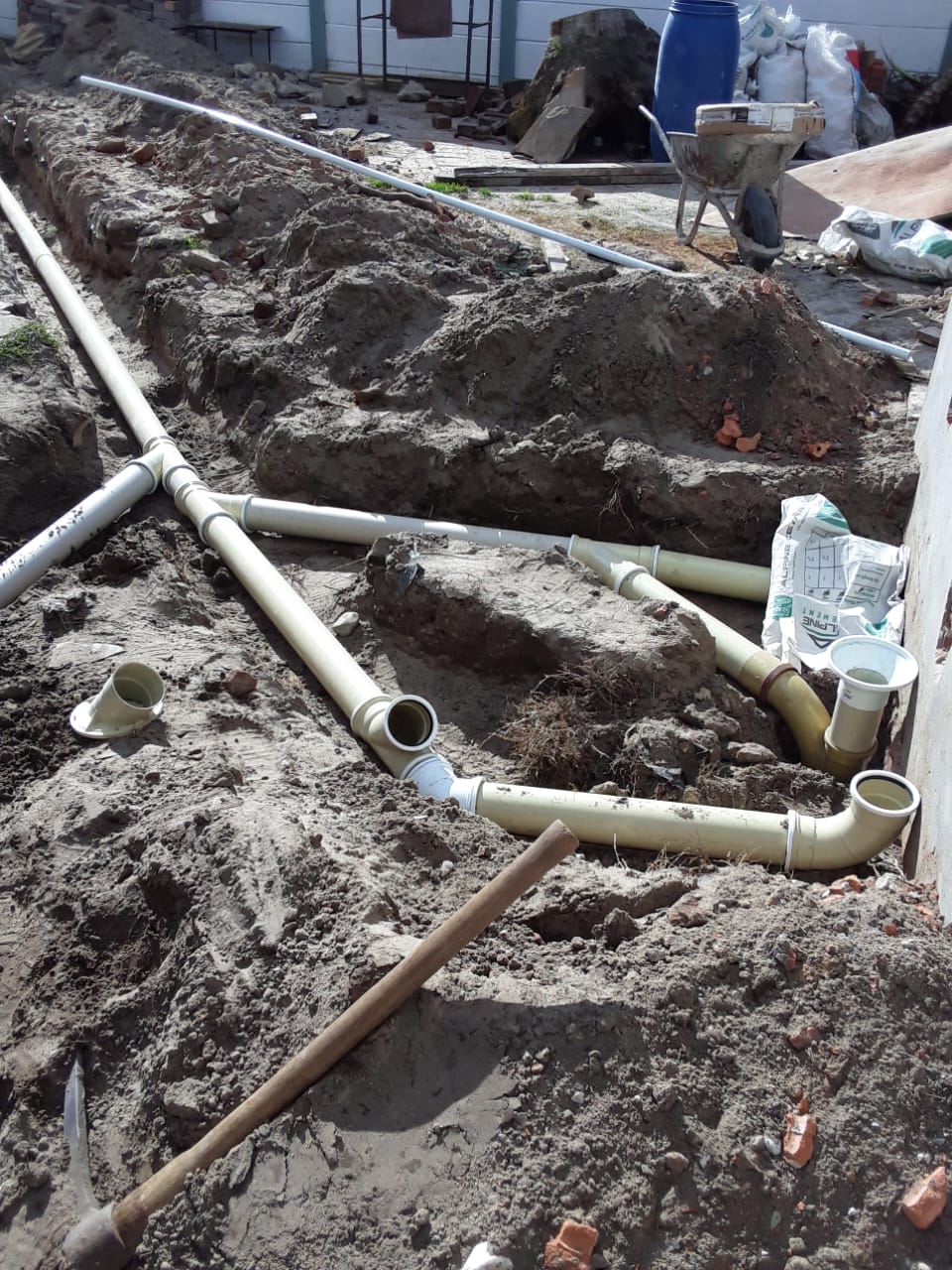
- Underground supply line repair from meter to house: roughly R2,500–R6,000 depending on trench length
- Emergency after-hours call-out fee: usually added on top of the repair cost
Get an actual number by having a plumber look at the burst directly, since access and finishing work change the price more than the pipe itself does. Contact us for a proper quote once the water is off and the immediate danger has passed.
After the emergency: what to check next
Once the water is off and the immediate mess is under control, a few follow-up checks save you a second surprise:
- Check the ceiling below the burst for staining, which can mean water travelled further than you think.
- Run the affected tap or fitting again slowly once repaired, watching the joint for a few minutes before you walk away.
- If the burst was near the kitchen sink or an undermount basin, check the cabinet below for swelling in the board, which shows up a day or two later.
- Log the incident and repair invoice for your insurer, even if you don’t plan to claim.
If you’re dealing with repeated bursts or ageing pipework across the whole house, it’s often cheaper long-term to have our plumbing services team assess the full system rather than patching one burst at a time. Our article on geyser problems and replacement costs covers a related failure point worth checking at the same time.
Frequently asked questions
Should I try to fix a burst pipe myself?
You can safely shut off the water and drain the pipes, but the actual repair should go to a plumber, especially if it’s behind a wall or under a slab where getting it wrong causes more damage.
How do I know if my stopcock is faulty?
If turning it doesn’t slow the flow at all, or it feels stuck and won’t turn, that’s worth having checked even before an emergency happens.
Does household insurance cover burst pipe damage?
Most policies cover sudden, accidental bursts, but check your specific policy for exclusions around gradual wear, since insurers sometimes distinguish between a sudden burst and long-term leaking.
If you’re facing a burst pipe right now, shut the mains off first, then get in touch and we’ll talk you through the rest.