

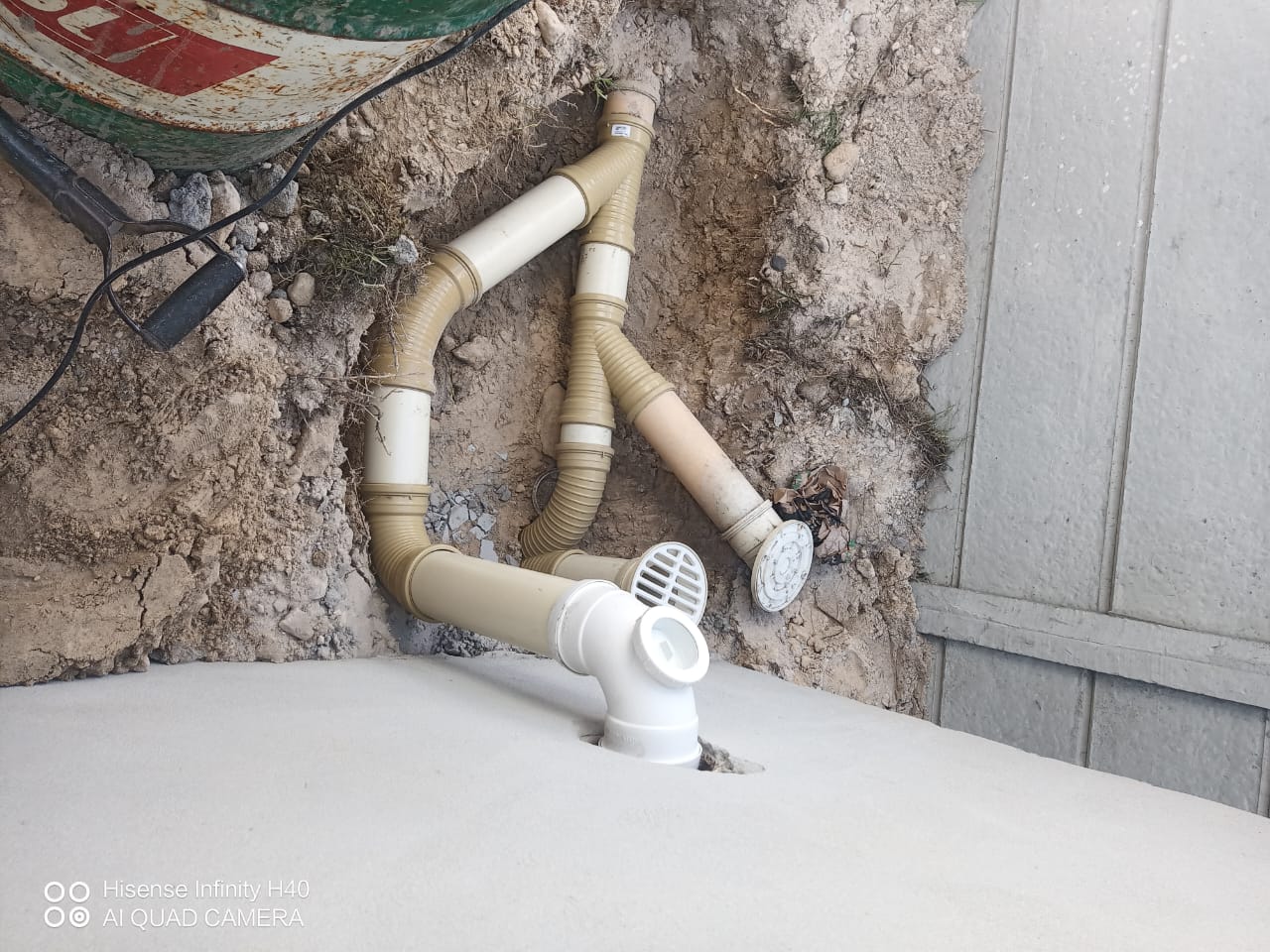
What actually causes blocked drains in Cape Town homes
Most blocked drains build up slowly, then announce themselves all at once with a gurgling sink or a bathroom that won’t drain. The causes are rarely mysterious once you know what to look for, and most of them trace back to what’s going down the drain rather than a fault with the pipe itself.
- Fat, oil and food scraps washed down kitchen sinks, which set hard inside the pipe as they cool
- Hair and soap residue building up in shower and bath drains over months
- Tree roots finding their way into older clay sewer pipes, common in leafy Southern Suburbs streets
- Sand and grit washed into outside drains after heavy winter rain
- Wipes, cotton buds and sanitary items flushed down toilets that were never designed to break them down
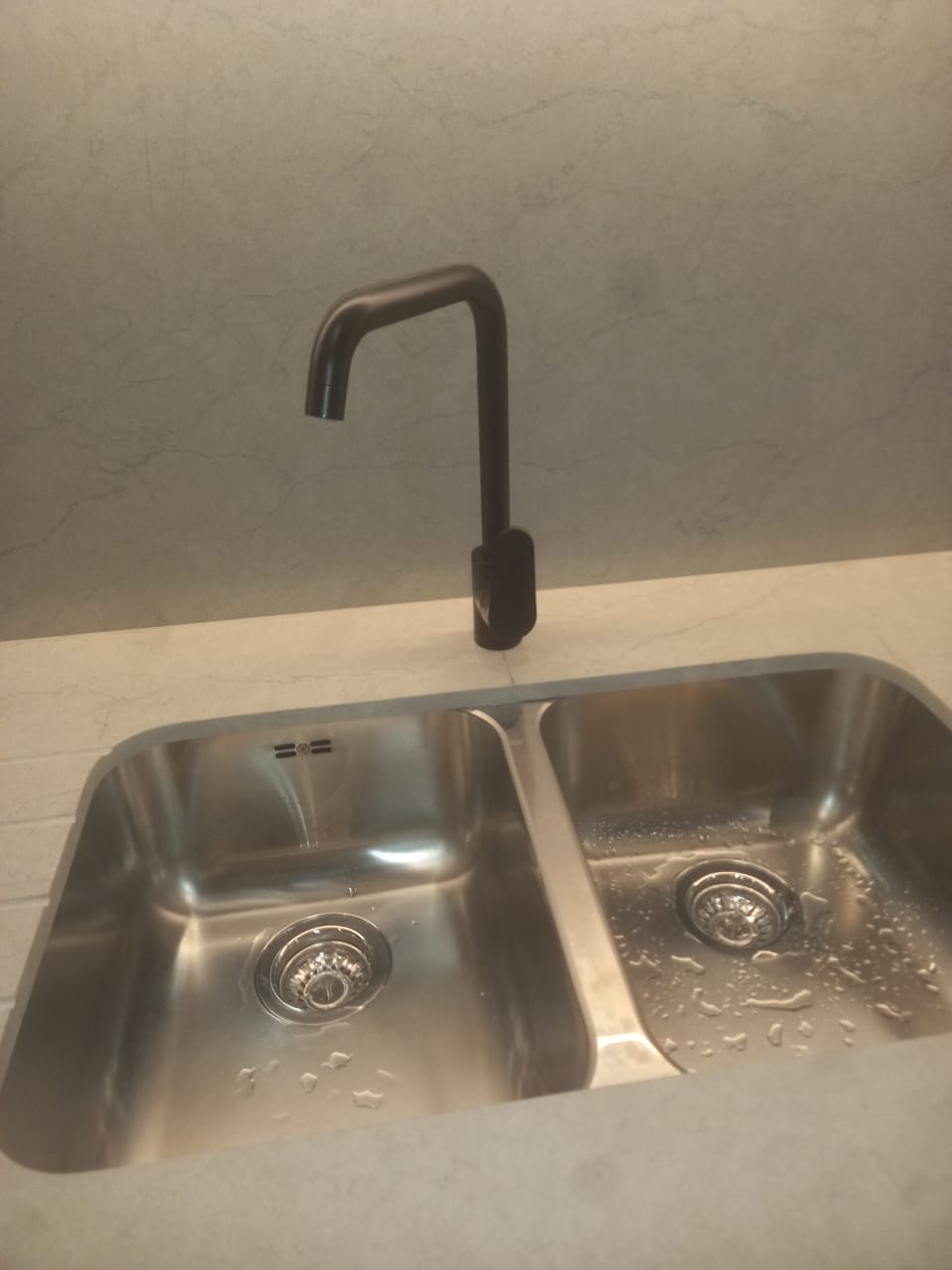
Signs a drain is blocking before it fully blocks
Drains rarely go from fine to fully blocked overnight. Catching the warning signs early usually means a simpler, cheaper fix, rather than an emergency call-out when the whole bathroom floods on a Friday night.
- Water draining slower than usual from a sink, bath or shower
- Gurgling sounds from a drain when another fixture nearby is used
- A bad smell rising from a plughole that wasn’t there before
- Water backing up briefly before it drains, especially in a low-lying bathroom
- Small ants or drain flies appearing near a particular sink or drain
What actually clears a blocked drain
There’s a lot of folk wisdom about unblocking drains, and not all of it works. Here’s what genuinely gets results, roughly in order of how far the blockage usually sits:
- A plunger – fine for a shallow blockage right at the plughole, less useful further down the pipe.
- A drain snake or auger – reaches further into the pipe and can hook out hair, wipes and solid debris.
- High-pressure water jetting – the standard professional method for stubborn blockages, especially fat build-up or root intrusion in sewer lines.
- CCTV drain inspection – used when a blockage keeps coming back, to actually see what’s causing it rather than guessing.
A word of caution
Chemical drain cleaners can work on very minor blockages, but repeated use damages older pipes, especially the clay and cast iron ones still common in older Cape Town homes. If a chemical cleaner hasn’t worked after one try, stop and call a plumber rather than pouring in more.
What blocked drain callouts roughly cost
The price depends almost entirely on where the blockage sits and how it needs to be cleared. Treat these as indicative 2026 ranges, not a fixed quote:
- Plunger or hand auger clearing an accessible sink or bath drain: roughly R500–R950
- High-pressure jetting of a blocked sewer line: roughly R1,200–R2,800
- CCTV drain inspection to diagnose a recurring blockage: roughly R900–R1,800
- Root removal or pipe repair where roots have cracked a section of pipe: often R3,500 and up, depending on excavation
If a blockage keeps returning every few months, it usually pays to diagnose the actual cause rather than clearing it again and again. Ask us for a quote once we know what we’re dealing with.
Your line or the municipality’s?
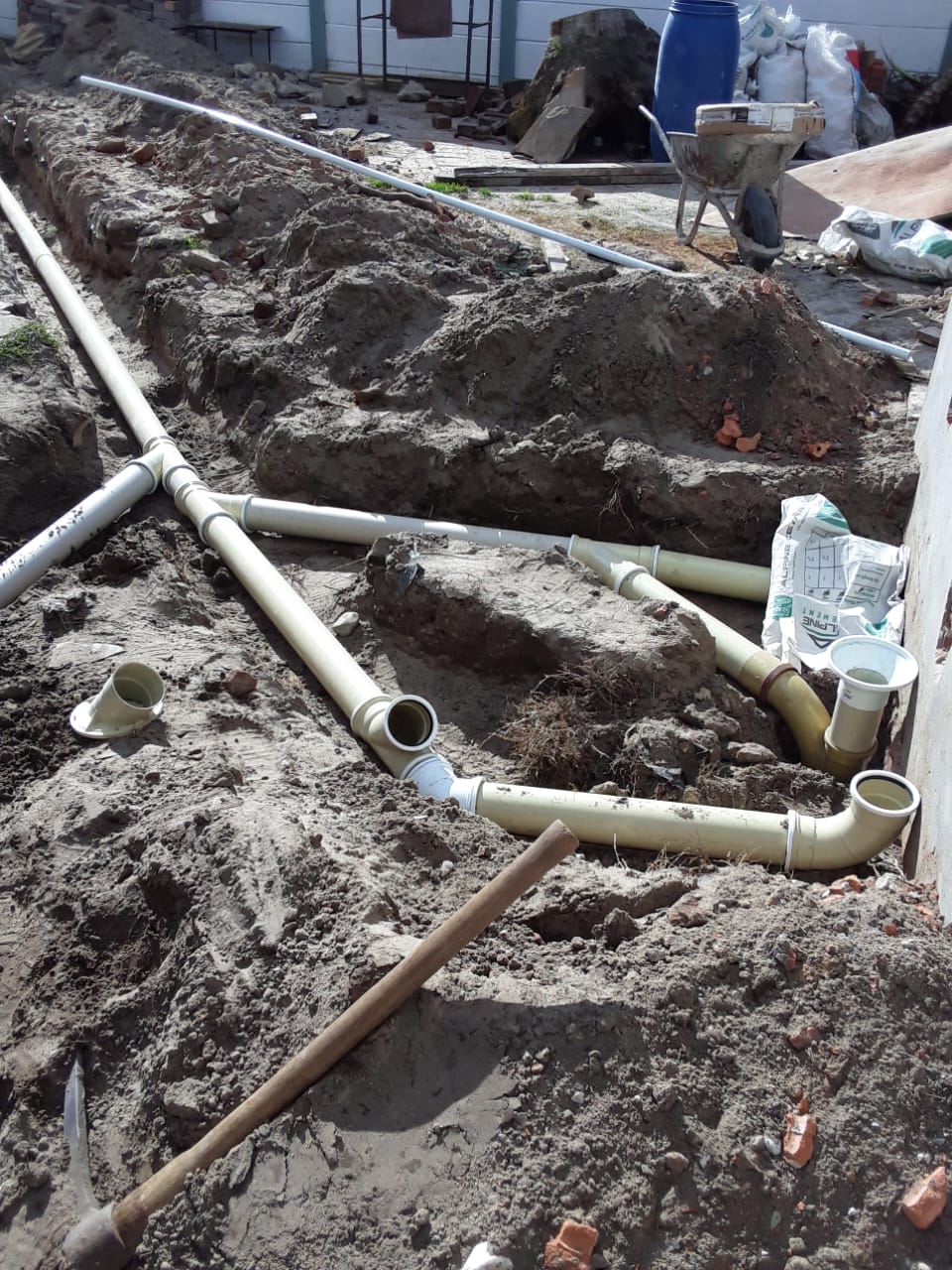
One question that comes up on almost every outside drain call: whose responsibility is this? As a rule, the pipework from your house to the connection point at the boundary is yours. From there to the municipal sewer main is the City’s problem, not yours.
The tricky part is that a blockage on the City side can still back up into your property, and it isn’t always obvious which side is actually blocked until someone traces it. If in doubt, get it checked before assuming you’re liable for the repair.
Keeping drains clear between call-outs
A little routine care keeps most household drains running for years without a callout:
- Fit a hair catcher over shower and bath drains and empty it weekly.
- Scrape plates into the bin before washing up, rather than rinsing fat straight down the sink.
- Pour a kettle of hot water down kitchen drains once a week to keep fat from setting.
- Keep outside gully covers clear of leaves, especially before winter rains start.
Outdoor drains and gullies take real strain during Cape Town’s winter storms, and a blocked one outside can back up into the house fast. Our plumbing services cover both the inside and outside of the system, and if you’ve recently dealt with a burst pipe, it’s worth having the drains checked at the same time in case debris from the repair made its way in.
Frequently asked questions
Why does my drain smell even when it’s not fully blocked?
A partial build-up of fat, hair or soap scum can trap odours long before it stops water flowing completely. It’s usually an early sign worth acting on.
Are chemical drain cleaners safe to use regularly?
Not on older pipework. Occasional use on a minor blockage is fine, but repeated use can damage ageing clay or cast iron pipes common in older homes.
How do I know if tree roots are in my sewer line?
Recurring blockages in the same spot, especially near mature trees, are the classic sign. A CCTV drain inspection confirms it without digging first, and tells us exactly where along the run the roots have got in.
If a drain keeps giving you trouble, get in touch and we’ll find out what’s actually causing it.