

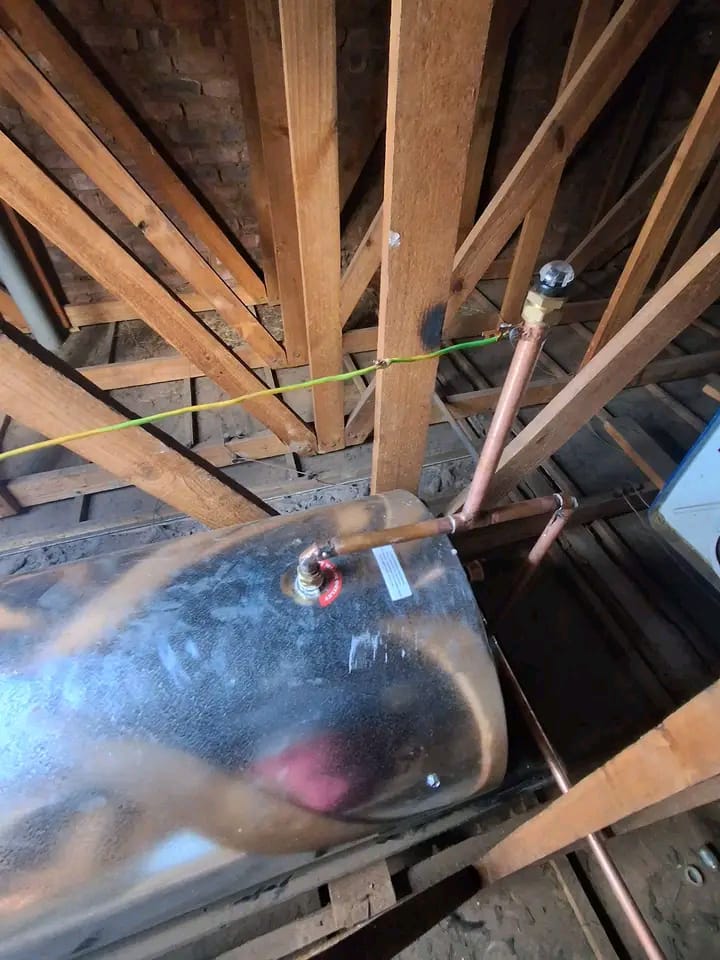
Why load shedding is hard on plumbing, not just appliances
Most people think about load shedding in terms of lights and Wi-Fi, but the constant on-off cycling takes a real toll on anything with an electric element or a pump. Geysers and borehole or pressure pumps are the two most exposed pieces of plumbing equipment in the average Cape Town home.
None of this means you need to replace anything immediately. It does mean a few precautions are worth taking, and a few habits are worth breaking, especially if your area sits on a higher load shedding stage for weeks at a time.
What load shedding actually does to a geyser
- Repeated power cuts mean the element switches on and off more often than it was designed for, which shortens its working life over time.
- Water sits at a lower temperature for longer stretches during extended outages, which can encourage sediment settling faster in hard water areas.
- Power surges when electricity returns can occasionally trip or damage a geyser’s thermostat, especially on older units without surge protection.
- Frequent full reheating cycles use more electricity overall than a geyser running at a steady temperature.
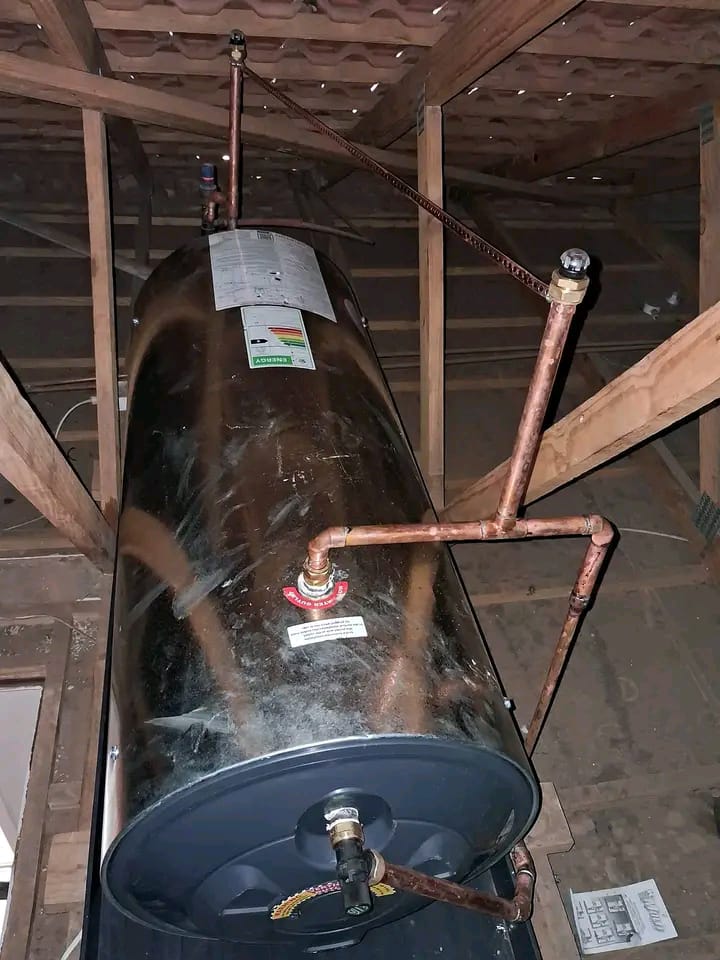
Protecting your geyser during outages
- Fit a geyser blanket and pipe insulation if you don’t already have one, so heat is retained longer between cycles.
- Consider a surge protector on the geyser circuit, which is a relatively small cost against a damaged thermostat or element.
- Avoid manually switching the geyser off and on repeatedly yourself during a stage – let the load shedding schedule do the cycling rather than adding extra switching on top of it.
- If you’re on solar or backup power for the geyser circuit, make sure the system is sized for the geyser’s actual draw, not just the lights and router.
A geyser timer can help
A basic geyser timer, set to heat water around your usual load shedding schedule, reduces both the cycling strain and the electricity bill. It’s a modest cost compared to a full geyser replacement.
Pumps: often overlooked until they fail
Pressure pumps and borehole pumps face a different problem: they simply stop working the moment power cuts, which can leave a home with no water pressure at all during a stage, even if municipal supply is fine.
- Check whether your pump has any battery or inverter backup, and if not, whether that’s worth adding.
- Pumps restarting repeatedly during frequent power cycling can wear out motors faster than continuous use would.
- A pressure vessel or small accumulator tank can smooth out the restart cycle and reduce strain on the pump motor.
- If your pump is on the same circuit as other heavy appliances, an isolated circuit reduces the chance of a surge affecting it when power returns.
What protection measures roughly cost
These are broad indicative ranges for 2026, since the right option depends on your specific setup:
- Geyser blanket and pipe insulation: roughly R450–R900 supplied and fitted
- Surge protector for a geyser circuit: roughly R600–R1,400
- Geyser timer, supplied and installed: roughly R900–R1,800
- Small pressure vessel for a pump system: roughly R1,800–R4,000 depending on size
None of these are essential overnight, but they’re worth weighing up against the cost of an early geyser or pump replacement. Ask us for a straight recommendation based on your actual setup rather than guessing.
Planning hot water use around a schedule
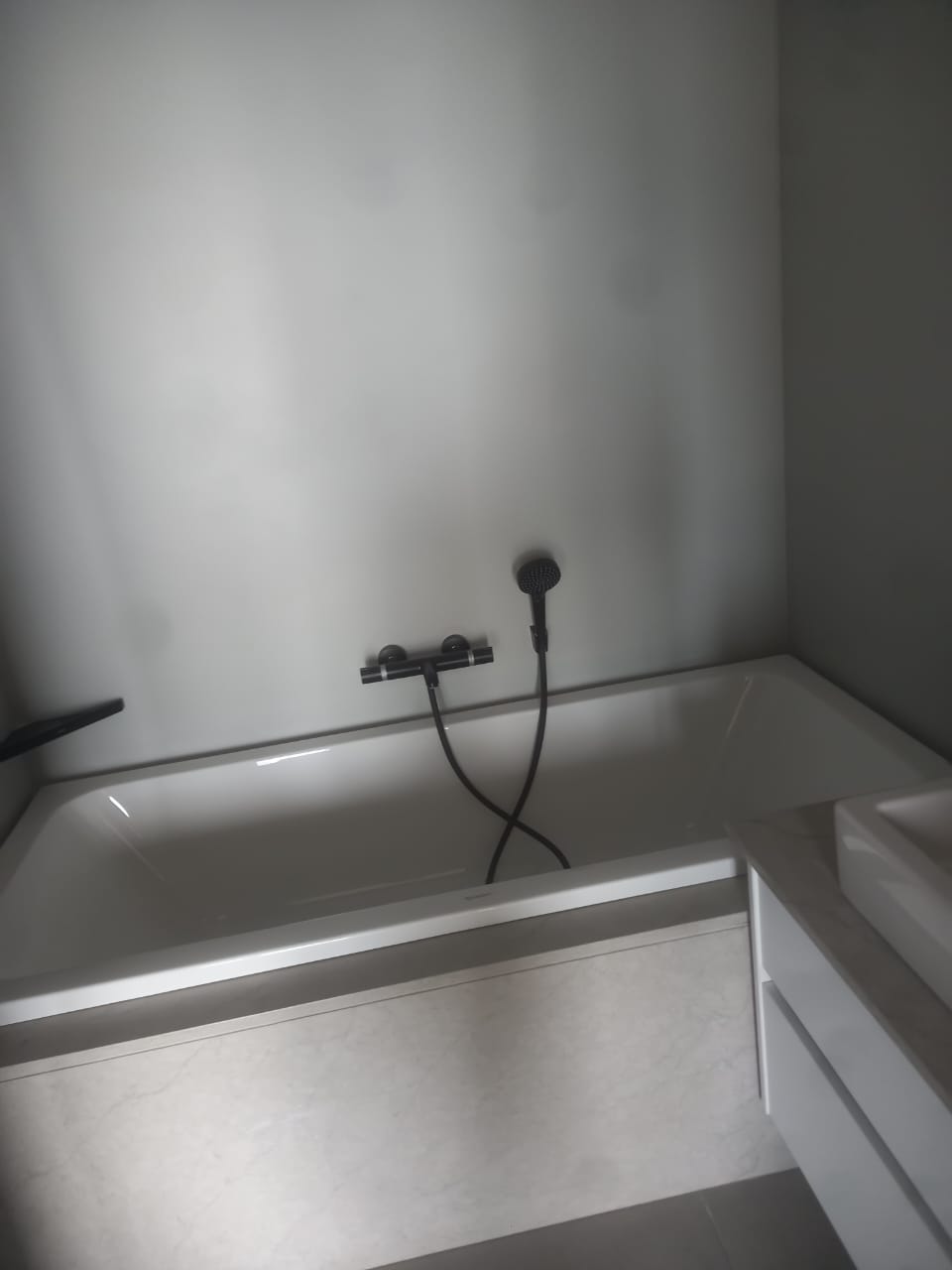
A little scheduling around your load shedding stage goes a long way. Running baths and showers just before a scheduled outage, rather than right after, means you’re using water that’s already properly heated instead of waiting on a partially cycled tank.
Households on higher stages sometimes notice hot water feeling weaker by the end of a long outage window. That’s usually the geyser simply running low on stored heat rather than anything faulty, and it recovers once power is back and the element has had a full cycle to reheat the tank.
When to check on your geyser after a bad stretch of load shedding
If your area has had an unusually heavy run of outages, it’s worth keeping an eye on a few things over the following weeks. This connects directly to what we’ve covered in our geyser problems and replacement costs guide, so it’s worth a read if anything below sounds familiar:
- Water taking noticeably longer than usual to heat up
- New banging or popping noises from the geyser
- The circuit breaker for the geyser tripping more often than before
Any of these are worth a call before they turn into a full outage of hot water on top of the power outages you’re already dealing with. Our plumbing services team can check both the geyser and pump side of things in one visit.
Frequently asked questions
Does load shedding actually shorten a geyser’s lifespan?
The frequent on-off cycling does add wear over time, though it’s one factor among several, alongside water hardness and general age.
Is it worth buying a smaller backup power system just for the geyser?
It depends on your budget and how disruptive the outages are for your household. A geyser timer and insulation are a cheaper first step than a dedicated backup system.
Can load shedding damage a pressure pump?
Frequent restarts can add wear to the motor over time, and a power surge when electricity returns can occasionally cause damage, especially without surge protection.
Worried about how load shedding is affecting your geyser or pump? Get in touch and we’ll take a look before it becomes an expensive surprise.