

Why Cape Town geysers give so much trouble
A geyser is one of those things nobody thinks about until it stops working, usually on a Sunday. In Cape Town the problem isn’t just age. Hard water in some suburbs, salt air along the coast, and years of load shedding cycling elements on and off all take a toll on a tank that was only ever built to last 8 to 15 years.
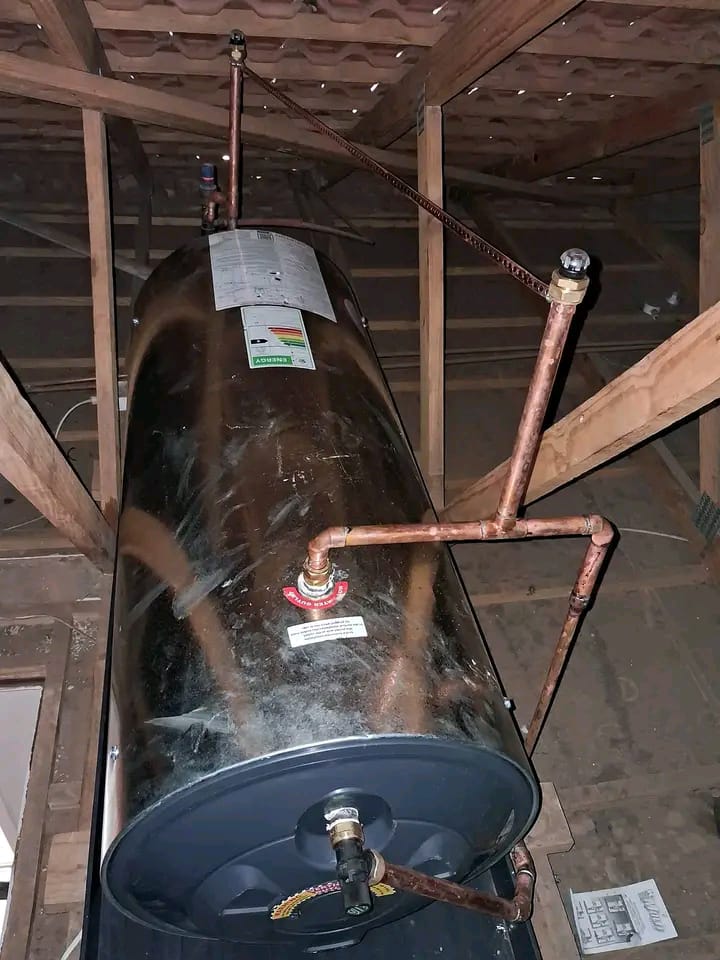
Older homes in the Southern Suburbs often still have the original geyser tucked into a roof space that was never designed for easy access. That makes both diagnosis and repair slower, and it’s worth knowing what you’re dealing with before a plumber climbs up there.
Common geyser problems homeowners report
Most call-outs fall into a handful of categories. Knowing which one you’re facing helps you describe the fault properly when you phone for help.
- No hot water at all – often a tripped thermostat, a dead element, or a breaker that keeps tripping.
- Water that’s lukewarm, never hot – usually a partially failed element or a thermostat set too low.
- Popping or banging noises – sediment building up on the bottom of the tank, common in hard water areas.
- Water leaking from the tank itself – usually means the tank has corroded through, which points to replacement rather than repair.
- Dripping from the safety valve – can be normal pressure relief, or a sign the valve needs replacing.
- Discoloured or smelly hot water – often sediment or, less often, a failing anode.
Repair or replace? What actually decides it
This is the question every geyser call ends with, and it isn’t always obvious. A few honest guidelines from years on Cape Town roofs:
- If the tank itself is leaking, that’s a replacement, full stop. You cannot patch a corroded tank safely.
- If the geyser is under 8 years old and the fault is an element, thermostat, or valve, repair is almost always the cheaper and sensible route.
- If it’s over 12 years old and something major has failed, replacement usually works out better value over the next few years than repeated repairs.
- If you’ve had two or more callouts on the same unit in a year, it’s worth pricing a replacement alongside the repair.
A note from our plumbers
Geysers installed before the current SANS plumbing regulations sometimes have safety valves or vacuum breakers that no longer meet code. If yours is original to an older Southern Suburbs home, it’s worth having it checked even if it’s working fine, since insurers can query this after a burst.
What geyser repair and replacement roughly cost in 2026
Prices vary by brand, tank size, roof access and how much pipework needs redoing, so treat these as indicative ranges only, not a quote:
- Element or thermostat replacement: roughly R900–R2,200, parts and labour
- Safety valve or vacuum breaker replacement: roughly R700–R1,500
- Full geyser replacement (150L electric, standard access): roughly R7,500–R14,000 installed
- Full geyser replacement with difficult roof access or pipe rerouting: often R14,000–R20,000+
The only way to know what your job will cost is to have someone look at the actual geyser and the roof space it sits in. Get in touch for an actual quote rather than budgeting off a number from the internet.
Stretching the life of the geyser you’ve got
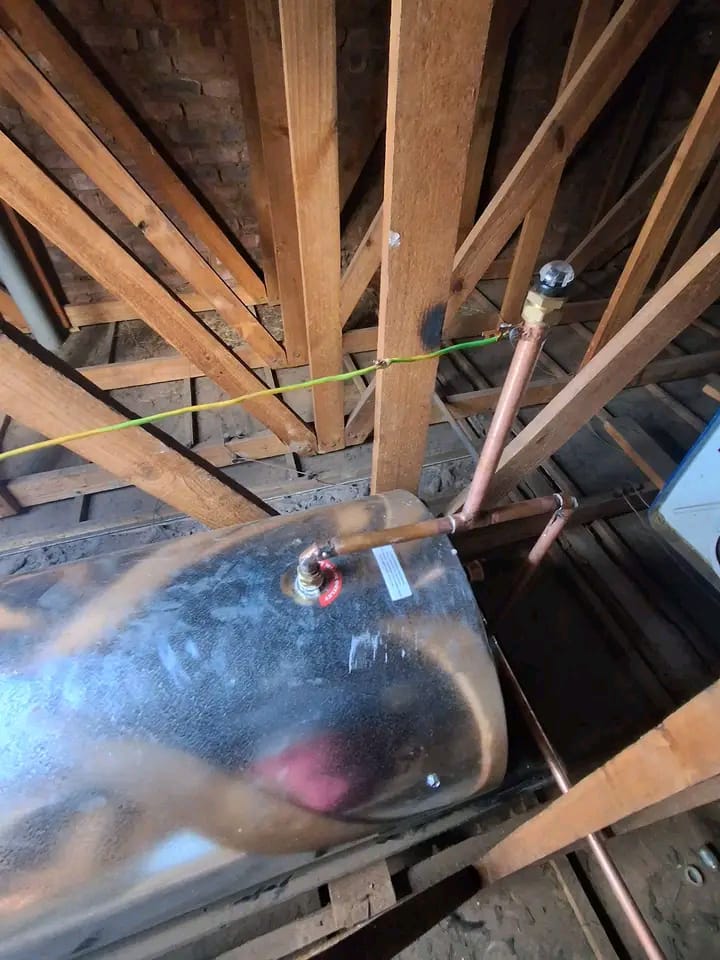
A few habits genuinely extend a geyser’s working life, particularly in hard water suburbs:
- Have the tank flushed of sediment every year or two, rather than waiting for it to bang and rattle.
- Check the safety valve drips freely and isn’t blocked with scale.
- Keep the thermostat around 60°C. Hotter doesn’t mean better, it just means more scale and more wasted electricity.
- If load shedding is frequent in your area, a geyser blanket and pipe insulation keep water hotter for longer between outages.
If your geyser is one problem away from a full replacement, our plumbing services team can inspect it and give you a straight answer on which way to go, rather than pushing a replacement you don’t need yet.
Insurance and warranty things worth checking
Most household insurance policies cover geyser bursts, but the payout can shrink fast if the installation wasn’t compliant or the geyser was well past its service life with no maintenance record. It’s worth digging out whatever paperwork you have on the last install.
New geysers usually come with a tank warranty of 5 to 8 years depending on the brand, separate from a shorter labour warranty on the installation itself. Keep the invoice. When a claim comes in a few years later, that piece of paper saves a lot of back and forth.
Frequently asked questions
How long should a geyser last in Cape Town?
Most electric geysers last 8 to 15 years, though hard water and salt air along the coast can shorten that. Regular sediment flushing helps.
Is it worth repairing a geyser that’s leaking?
No. If the tank itself is leaking rather than a fitting or valve, the tank has corroded and needs replacing. Trying to patch it is not safe.
Can I install a new geyser myself?
It’s not recommended. Geyser installations involve electrical work, pressure-rated fittings and safety valves that need to meet current regulations, and getting it wrong can void your home insurance.
If your geyser is acting up, or you’d simply like a second opinion before paying for a replacement, request a quote and we’ll take it from there.