


DIY cupboards go wrong on paper long before the drill comes out. A missing edge allowance or one reversed panel can waste a full sheet of board, so the planning deserves more time than the assembly.
This guide explains diy cupboards in plain terms, with the small details that save money and frustration on a real South African job.
diy cupboards: start with the right plan
Draw the room and cabinet in millimetres before ordering a single board. This first check sets the job up properly and gives you something useful to compare when prices or options differ, a useful safeguard for a cutting list in job 8.
Choose standard cabinet depths that suit clothes, plates or food rather than guessing. Write the result down instead of trusting memory, especially when several rooms or cabinet sections are involved, a useful safeguard for a cutting list in job 8.
For help with the work itself, view our diy cupboards service options. We can check the site conditions and explain what is practical before materials are ordered.
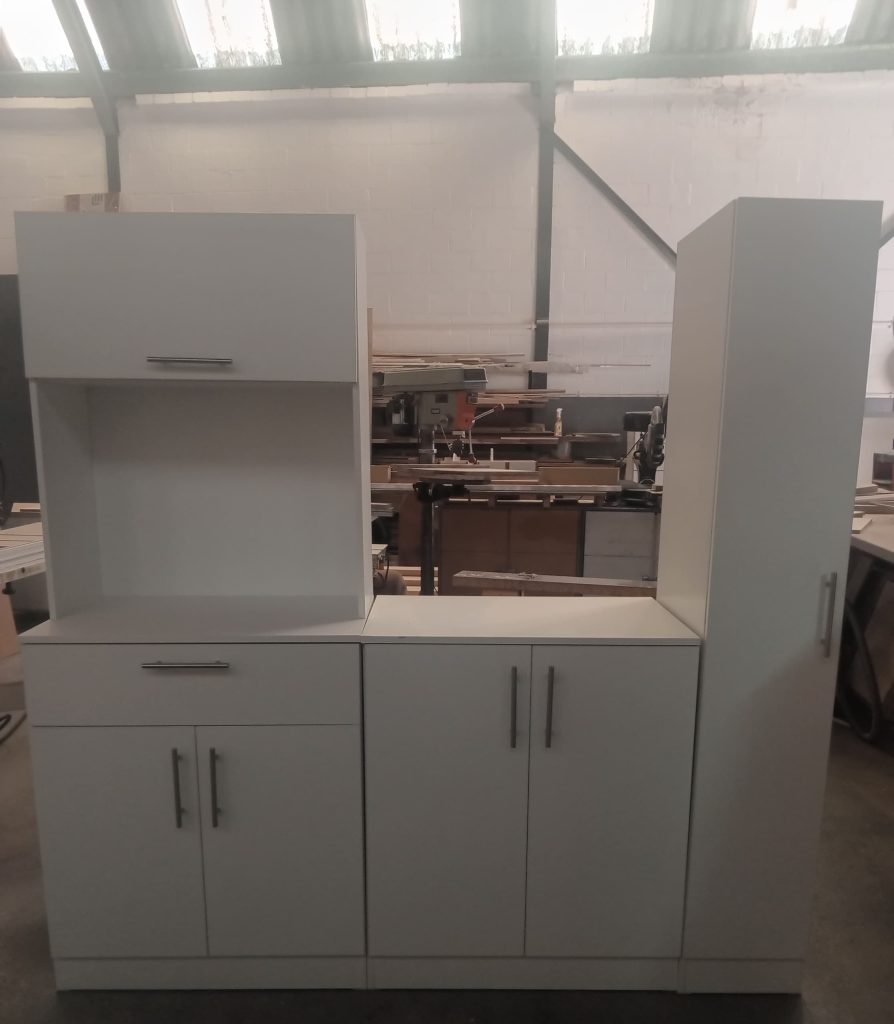
Costs and choices for diy cupboards
List every side, base, top, shelf, door and back panel as a separate part. Ask a supplier or installer to state exactly what is included, because a low headline figure can leave out parts that the finished job still needs, a useful safeguard for a cutting list in job 8.
Mark finished sizes and confirm whether the cutting service accounts for saw kerf. Ask a supplier or installer to state exactly what is included, because a low headline figure can leave out parts that the finished job still needs, a useful safeguard for a cutting list in job 8.
State which edges need matching tape because raw chipboard should not remain exposed. Ask a supplier or installer to state exactly what is included, because a low headline figure can leave out parts that the finished job still needs, a useful safeguard for a cutting list in job 8.
Quick tip from our installers
Keep measurements, product names and included extras on one written list, a useful safeguard for a cutting list in job 8. It is much easier to catch a mistake before cutting or fitting than after the room is in use, a useful safeguard for a cutting list in job 8.
Common diy cupboards mistakes to avoid
Use 16 mm or 18 mm melamine according to the design and supplier advice. This point is easy to miss in a showroom or on a small online photo, but it becomes obvious during fitting and daily use, a useful safeguard for a cutting list in job 8.
Choose hinges, runners, screws and shelf supports before drilling hole positions. This point is easy to miss in a showroom or on a small online photo, but it becomes obvious during fitting and daily use, a useful safeguard for a cutting list in job 8.
Check that door pairs include practical gaps and room for hinge adjustment. This point is easy to miss in a showroom or on a small online photo, but it becomes obvious during fitting and daily use, a useful safeguard for a cutting list in job 8.
Check the room before diy cupboards work starts
Cape Town houses range from new developments with straight dry screeds to older homes with uneven plaster and floors, a useful safeguard for a cutting list in job 8. Check the actual room rather than assuming the building is square, level or dry, a useful safeguard for a cutting list in job 8.
Doorways, stairs, parking and working space affect the job as well, a useful safeguard for a cutting list in job 8. Large boards and long packs need a safe route inside, while cutting and assembly need a clean area that will not damage other finishes, a useful safeguard for a cutting list in job 8.
Practical steps that improve diy cupboards
Number every cut panel so the assembly drawing matches the delivery stack. A few minutes spent on this step protects the budget and gives the installer or DIY builder a clearer standard to work towards, a useful safeguard for a cutting list in job 8.
Budget for waste, edging, handles, delivery and replacement mistakes. A few minutes spent on this step protects the budget and gives the installer or DIY builder a clearer standard to work towards, a useful safeguard for a cutting list in job 8.
Assemble a base cabinet square before fixing the back because the back holds its shape. A few minutes spent on this step protects the budget and gives the installer or DIY builder a clearer standard to work towards, a useful safeguard for a cutting list in job 8.
Get help with tall units since large melamine panels are awkward and heavy. A few minutes spent on this step protects the budget and gives the installer or DIY builder a clearer standard to work towards, a useful safeguard for a cutting list in job 8.
Quality checks for diy cupboards
Stand back and look along the main lines before signing off, a useful safeguard for a cutting list in job 8. Gaps should be consistent, moving parts should work without force, and trims or edges should finish cleanly where the new work meets walls and doors, a useful safeguard for a cutting list in job 8.
Keep product details, spare pieces and the final invoice in a dry place, a useful safeguard for a cutting list in job 8. If anything needs adjustment later, knowing the board colour, flooring batch or hardware model makes the repair far simpler, a useful safeguard for a cutting list in job 8.
Getting a sensible result from diy cupboards
The cheapest option is good value only when it suits the room and lasts for the expected use, a useful safeguard for a cutting list in job 8. Compare the full installed or completed cost, not one board, box or cabinet price on its own, a useful safeguard for a cutting list in job 8.
Read our related guide, how to assemble flat pack cupboards, for the next part of the planning. It covers another common decision that homeowners face before work begins.
Testing a DIY cupboard plan before cutting
Use masking tape on the wall and floor to mark the cabinet outline. Open nearby doors, stand where drawers will pull out and check that the proposed depth does not narrow the walking route. This quick mock-up often reveals problems hidden on a neat drawing.
Then review the cutting list against the drawing line by line. Count repeated shelves twice, confirm grain direction on visible doors and separate left-hand from right-hand parts where drilling differs. Only send the list once every piece has a clear purpose.
If you would like a clear assessment and price for your home, contact CDC Projects for a quote. We will discuss the space and the practical options without a hard sell.